Vacuum and nitrogen combat the same enemy—oxygen—using opposite methods. One technique extracts the air until the bag fits the product like a second skin; the other flushes the bag with inert gas until a protective cushion forms. The right approach depends on your product. This guide outlines the differences, from basic principles to machine performance.
The side-by-side principle
| Aspect | Vacuum Packaging | Nitrogen Flushing |
|---|---|---|
| Principle of Operation | extract air to create a vacuum | flush the bag with nitrogen |
| Residual oxygen | under 1% | under 2% |
| Pouch shape | tightly wrapped around the product (solid block) | stuffed pillow |
| Product Type | rigid, deformable | fragile, light |
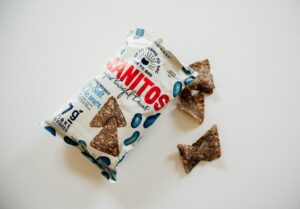
| Example | cheese, meat, coffee packets | chips, nuts, popcorn |
| Machine Impact | vacuum pump and chamber | Gas metering on the VFFS |
When Vacuum Is the Right Approach
Vacuum presses the bag against the product: no air, no cushioning, minimal oxidation. This works for products that can withstand the pressure—cheese, meat, smoked fish, and pre-packaged coffee. The bag becomes a compact block that stacks like bricks. The full range of bag types and applications is listed in the guide on the vacuum packaging machine.
When Nitrogen Wins
Nitrogen performs two functions at once, as described in VFFS for snacks: A stream of nitrogen displaces oxygen toward the bottom of the 2%, and the gas cushions the fall of the brittle product into the bag. Chips and nuts arrive at the bottom intact, with a cushion that prevents breakage during transport. On a vertical form, fill, and seal machine Nitrogen flushing is a module in the filling tube—no separate machine is needed.
The Trap of Terminology
Anyone reading about powder will come across the term “vacuuming”: negative pressure that tightens the bag walls during filling. This is a dosing technique, not vacuum packaging—the result is a compact bag, not a block. The distinction is explained in the powder packaging machine-guide. Conversely, MAP—modified atmosphere with a gas mixture—is the industrial counterpart to nitrogen flushing for meat and ready-to-eat meals.
What This Means for Your Choice of Machine
Both techniques are determined by the product, not the other way around. If you choose vacuum, you’re talking about chambers or bag systems and pump capacity; if you choose nitrogen, you’re talking about gas-flushing systems, flushing time, and barrier film to prevent outgassing. Both require a barrier film—nitrogen leaks through porous single-material films, and a vacuum without a barrier will draw in air within days. Film selection and consumption are therefore important factors to consider; see film consumption.
Frequently Asked Questions
Q: Can I combine both techniques?
Yes, in two steps: first, create a vacuum, then refill the bag with nitrogen. This is called vacuum-gas packaging and is used for expensive, perishable products. It does, however, require a more powerful machine and a longer cycle time than either process alone.
Q: Which foil is used with nitrogen?
A barrier film with an EVOH or metal layer, typically 50 to 80 µm thick for snacks. Pure mono-PE allows too much nitrogen to escape for a long shelf life; discuss your shelf-life goal with the film supplier—determine the shelf-life requirement first, then choose the material.
Q: Is nitrogen dangerous in the production hall?
Nitrogen is inert and non-toxic, but it displaces oxygen in an enclosed space. Larger installations should be equipped with an oxygen monitor attached to the machine and ventilation in the facility—a point that should be included in the machine safety documentation.
Related pages
vertical form, fill, and seal machine | vacuum packaging machine | VFFS for snacks | powder packaging machine | Packaging coffee on a VFFS machine
Request a technical proposal Please specify the product, bag size, and desired output.



 English
  Dutch
Dutch