A vacuum packaging machine removes the air from the bag just before the seal closes. Less oxygen means slower spoilage and better product protection. This guide covers how the machine works, the two machine designs, and the applications where vacuum packaging is beneficial.
How It Works in Four Steps
- The product is placed in a bag with ribbed panels so that air can escape from all sides.
- The machine extracts the air—from a room or through a nozzle.
- The seal closes the bag leak-proof under negative pressure.
- Optionally, the machine releases a protective gas (to modify the atmosphere) for fragile products.
Chamber machine or nozzle machine
| Aspect | Chamber machine | Nozzle machine (external suction) |
|---|---|---|
| Principle | The bag is in a vacuum chamber | The nozzle empties the bag on its own |
| Product Type | Liquids and pastes as well | Only dry, solid products |
| Residual oxygen | Typical for under-21s (TP3T) | Higher, depending on the bag and product |
| Tempo | 4 to 10 cycles per minute | 1 to 3 bags per minute |
| Investment | Higher | Bearing |
The chamber machine has the edge in terms of accuracy and speed; the nozzle is sufficient for small batches and simple products.
Five Applications
- Fresh meat and fish: inhibits bacterial growth and typically extends shelf life by a factor of 3 to 5.
- Cheese and dairy products: help prevent drying out and mold growth.
- Ground coffee: retains its aroma — see the coffee packaging machine and instant coffee packaging machine for the entire production line.
- Industrial parts: protects against corrosion and moisture during transport and storage.
- Medical and sterile supplies: Keeps the packaging free of contaminants until use.
Bags and plastic wrap
Vacuum bags have a ribbed structure on at least one side and a barrier layer, typically a PA/PE laminate. Parts that come into contact with the product are made of 304 stainless steel as standard in the food-grade version. For an overview of bags and bag-filling machines Please read the separate guide.
Sustainability
The biggest sustainability benefit of vacuum packaging isn't in the film but in the product itself: a longer shelf life means less waste. Also, use bags that are the right size—bags that are too large waste film unnecessarily.
When the vacuum isn't working
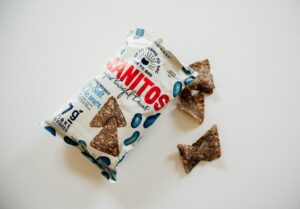
- Crispy foods, such as chips, get crushed; choose packaging with protective gas or a flow packer.
- Powder flows along with the air in the exhaust duct; powder is part of a screw feeder on a VFFS.
- Carbonated products will fizz and leak when subjected to negative pressure.
Frequently Asked Questions
Q: What is the difference between a vacuum and an inert gas?
Vacuum packaging completely removes the air; modified atmosphere packaging replaces the air with a gas mixture. Fragile products and moisture-sensitive bags are better suited for gas packaging.
Q: Can I vacuum-seal liquids?
Yes, in a chamber vacuum sealer: the chamber pressure keeps the product in the bag during the vacuuming process. That doesn't work with a mouth-seal vacuum sealer.
Q: What kind of film do I need?
A barrier-coated laminate, such as PA/PE, with a ribbed structure for air venting. The exact composition depends on the product and the desired shelf life.
Related pages
coffee packaging machine | bag-filling machines | VFFS or flow packer | Liquid and Paste Packaging Machine
Request a technical proposal Please specify the product, bag size, and desired output.



 English
  Dutch
Dutch