Imagine you have a delicious juice, a potent cleaning solution, or even tiny candies that need to be filled into bottles. How do you get them in there quickly, accurately, and without making a big mess? That’s where bottle filling machines come in! This article will guide you through the different types of automatic and semi-automatic bottle filling machines, explaining why they’re so important and helping you understand how to choose the best one for your needs—even taking into account factors like sustainability and recyclable materials. Get ready to become a bottle filling expert!
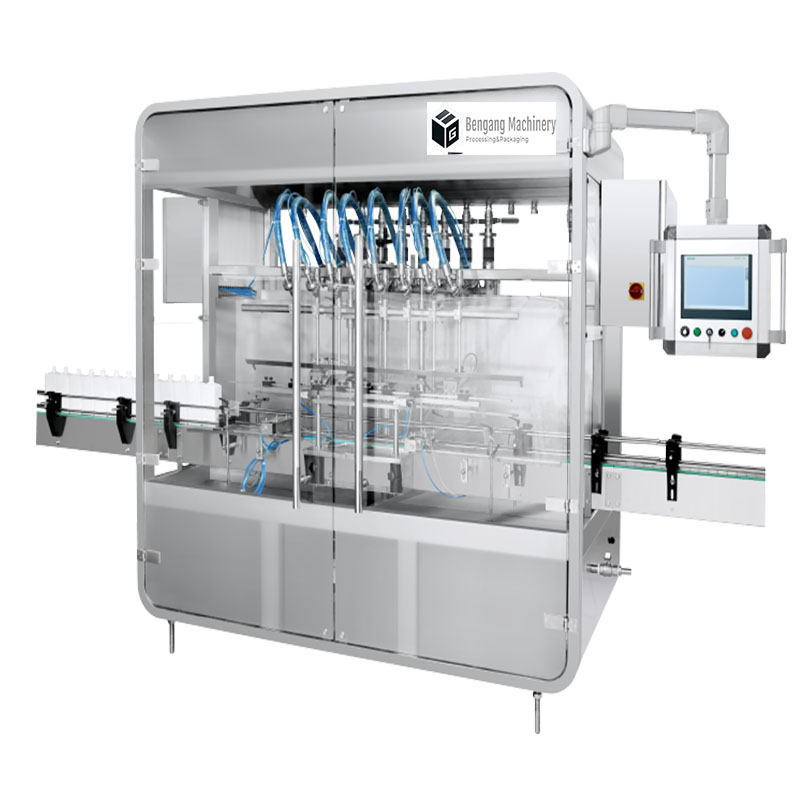
What exactly is a liquid filling machine, and why do we need them?
Imagine pouring juice from a large pitcher into lots of small bottles. It takes a long time, and you might spill some. A liquid filling machine is a specialized device that performs this task much faster and more accurately. It’s designed to dispense a specific amount of liquid into bottles, containers, or pouches. These machines are essential for businesses that produce and sell items such as beverages, soaps, cleaning products, and medicines.
Without liquid-filling machines, it would be much more difficult and expensive to get these products onto store shelves. Imagine a factory that has to fill thousands of bottles by hand every day—it would take forever and probably wouldn’t be accurate enough. These machines enable companies to fill bottles quickly and consistently, ensuring that every product meets quality standards. They also help maintain hygiene and reduce waste, which is a significant benefit.
Liquid Bottle Filling Machines: More Than Just Liquids
Despite their name, liquid bottle filling machines are surprisingly versatile. While they’re excellent for products like water, juice, and sauces, many can handle other types of products as well. Some machines can even fill thicker liquids like lotions or gels. The key lies in the type of filling system the machine uses.
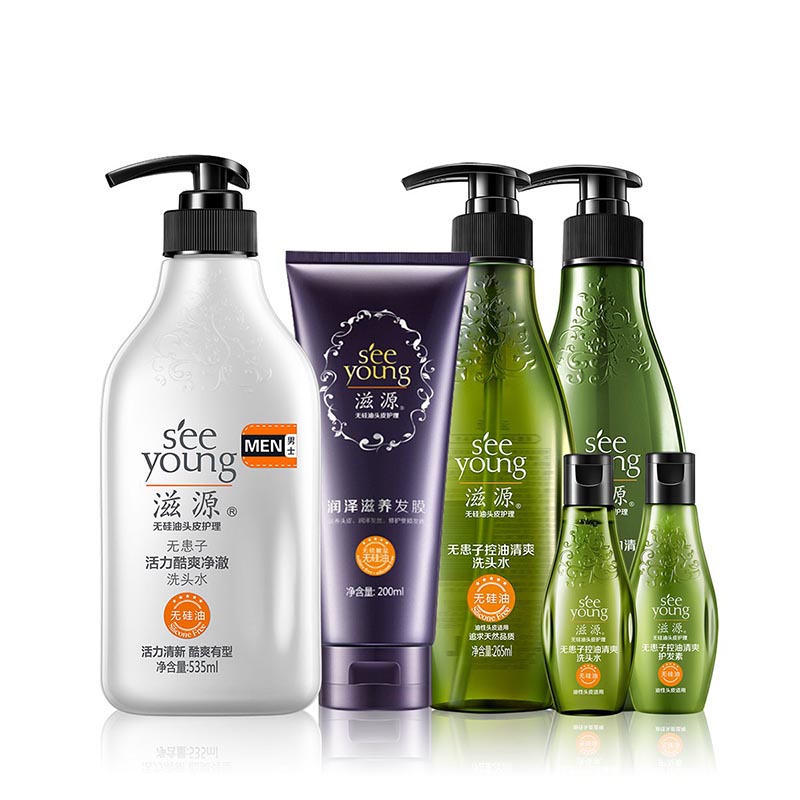
Different machines use various methods to measure and dispense liquids. Some rely on gravity, allowing the liquid to flow into the bottle naturally. Others use pumps to push the liquid, while more advanced machines use flow meters for precise measurement. The type of product you’re filling will determine the best type of liquid bottle filling machine. For example, a machine designed to fill thin liquids like water will differ from one designed to handle thick honey. Choosing the right machine ensures accuracy and efficiency in your production process.
Can a bottle-filling machine also process powder? Discover bottle powder-filling machines
Absolutely! While liquid filling machines are common, there’s a whole range of bottle filling machines designed specifically for powders. Products like spices, protein powders, or powdered laundry detergent require different handling than liquids.

Bottle powder filling machines often use methods such as auger filling, in which a screw-like device precisely measures and dispenses the powder. Other types use volumetric filling, in which a cup or container of a specific size is filled with powder and then emptied into the bottle. These machines are engineered to address the unique challenges posed by powders, such as preventing clumping and ensuring consistent fill levels. Just as with liquids, selecting the right type of powder filling machine depends on the specific characteristics of the powder you’re working with.
Looking for a bottle-filling machine? What should you look for when searching for a bottle-filling machine?
So, are you in the market for a bottle-filling machine? That’s exciting! With so many options available, it’s important to do your research. Here are some key factors to consider when looking for a bottle-filling machine for sale:
- What are you filling? Determine whether you’re filling liquids, powders, or other substances, and whether they’re thin or thick. This will help narrow down the suitable types of machines.
- How many bottles do you need to fill? For small volumes, a semi-automatic machine may be sufficient. For larger production runs, an automatic machine is required.
- What bottle size do you use? Make sure the machine is suitable for the size and shape of your bottles. Some machines offer more flexibility than others.
- What's your budget? Prices vary considerably depending on the type and features. Set a realistic budget before you start shopping.
- What features do you need? Consider whether you need additional features, such as automatic shut-off, labeling, or cleaning.
- How much space do you have? Some machines are large. Therefore, make sure you have enough space in your facility.
In addition, consult with various suppliers and request quotes from multiple sources before making a decision.
Show me the money! Understanding the pricing factors for bottle-filling machines
You’re probably wondering, “How much will this cost me?” The price of a bottle-filling machine can vary widely, depending on several factors. Think of it like buying a car—a basic model costs less than a fully loaded one.
These are the main factors that influence the price:
- Level of automation: Automatic machines, which perform most tasks on their own, are generally more expensive than semi-automatic machines, which require more manual intervention.
- Filling technology type: Machines with advanced filling systems, such as flow meters or servo-controlled pumps, are often more expensive.
- Machine capacity and speed: Machines that can fill more bottles per minute are generally more expensive.
- Number of filling heads: Machines with multiple filling heads can fill several bottles at the same time, which increases both speed and cost.
- Features and updates: Additional features such as automatic capping, labeling, or the ability to process different bottle sizes increase costs.
- Brand and manufacturer: Established brands known for their quality and reliability can charge higher prices.
- Materials and Construction: Machines made from high-quality, durable materials such as stainless steel are generally more expensive, but they also last longer.
It’s essential to weigh the initial cost against long-term benefits, such as increased efficiency and reduced labor costs. Sometimes, investing a little more upfront can lead to savings down the road.
Especially for Slick Stuff: What makes a great machine for filling bottles with oil?
Filling bottles with oil presents unique challenges. Oil can be thick and viscous, making it important to prevent dripping and spilling. A good bottle-filling machine is designed to effectively address these challenges.
Important features to look for in a machine for filling bottled oil are:
- Precision filling systems: Piston fillers and positive-displacement pumps are ideal for oils because they handle viscosity well and deliver precise quantities.
- Anti-drip sprinklers: These nozzles prevent messy drips after filling, saving you product and keeping your workspace clean.
- Easy to clean: Oil can be sticky, so the machine must be easy to clean and sanitize to prevent contamination. A stainless steel construction is a good choice.
- Configurable settings: The ability to easily adjust fill volumes is important when processing different bottle sizes.
- Compatibility with different types of oil: Make sure the machine’s materials are compatible with the types of oil you’ll be using, especially if they are corrosive.
Connecting the oil-filling machine to asealing machine ensures a seamless process, precise fillings, minimal waste, and a clean operation.
Do you have juice? How do bottled juice machines keep your juice fresh?
Juice is a perishable product, meaning it can spoil easily. Therefore, hygiene and precision are crucial for bottle juice filling machines. These machines are designed to fill bottles quickly and cleanly, preserving the juice’s freshness and quality.
Key considerations for machines that fill bottles with juice include:
- Plumbing design: Machines must be made of food-grade materials, such as stainless steel. In addition, they must be designed so that they can be easily cleaned and sterilized to prevent bacterial growth.
- Aseptic filling options: For juices that need to have a longer shelf life without refrigeration, aseptic filling machines sterilize both the bottle and the juice before filling.
- Soft filling: Some juices are delicate and can be damaged by aggressive filling processes. Machines that use a gentle filling method are essential.
- Overflow Prevention: Preventing spills and overflows is crucial for clean and efficient operations, especially with sticky liquids such as juice.
- Nitrogen dosage (optional): Some juice filling lines include nitrogen dosing systems to remove oxygen from the bottle’s headspace, further extending shelf life.
Imagine that the juice flows smoothly from theliquid filling machine in a perfectly clean bottle. Choosing the right bottle-filling machine is essential for preserving the quality and flavor of your delicious juice.
Fully Automated Fun: How Automatic Bottle-Filling Machines Work Their Magic
Automatic bottle-filling machines are the backbone of large-scale production. They carry out the entire filling process with minimal human intervention, which significantly increases efficiency and speed.
Here’s how they work:
- Bottle Feeding: Bottles are automatically fed into the machine, often via a conveyor belt.
- Bottle positioning: Sensors detect the bottles and position them correctly under the filling heads.
- Filling: The machine dispenses a precise amount of product into each bottle using a preset filling method (such as gravity, pump, or flow meter).
- Optional processes: Depending on the machine, it can also perform tasks such as capping, labeling, and induction sealing. After filling, for example,labeling machine can apply labels.
- Bottle output: Filled and processed bottles are automatically removed from the machine and are often placed on another conveyor belt for further packaging.
Imagine a busy factory with rows of bottles moving seamlessly through the facility.automatic bottle-filling machine.These machines are engineering marvels, designed for consistent and fast filling.
Need help? When are semi-automatic bottle-filling machines the right choice?
Although automatic machines excel in large-scale processes, semi-automatic bottle-filling machines are ideal for smaller businesses or specific applications. These machines require some manual operation, typically involving an operator who loads and unloads the bottles.
Situations in which a semi-automatic machine is suitable include:
- Lower production volumes: If you’re not filling a large number of bottles, a semi-automatic machine may be more cost-effective.
- Various bottle sizes: Semi-automatic machines often offer greater flexibility in processing different bottle sizes and shapes without requiring extensive changeovers.
- Budget constraints: Semi-automatic machines generally have lower purchase costs than fully automatic systems.
- Testing and Development: They’re excellent for smaller batches during product development or when testing new formulations.
- Specialty Products: If you’re filling unique or high-value products that require careful handling, the manual control offered by a semi-automatic machine is beneficial.
Imagine a small brewery that uses asemi-automatic bottle-filling machineto carefully fill their craft beer bottles. These machines offer a balance between efficiency and control for smaller-scale production.
Can bottle-filling machines help us be kinder to the planet? Exploring sustainability
Absolutely! The packaging machinery industry, including bottle-filling machines, is increasingly focusing on sustainability. Here are several ways these machines contribute to a greener future:
- Reducing product waste: Precise filling systems minimize spills and overfilling, save valuable product, and reduce waste.
- Optimizing Packaging: By filling bottles efficiently, you can produce bottles of the optimal size and shape, resulting in less packaging material overall.
- Handling Recyclable Materials: Modern machines are designed for bottles made from recyclable materials, such as PET and glass. Some machines can even process bottles made from post-consumer recycled (PCR) material.
- Energy Efficiency: Manufacturers are developing more energy-efficient appliances that use less electricity.
- Promoting sustainable practices: By enabling efficient and accurate filling, these machines help companies adopt more sustainable production methods. Accurate filling reduces the need for rework and waste disposal.
The rise ofsmart pillow-pack machines focuses on minimizing material use, a trend that also extends to bottle filling. The shift toward sustainability in packaging machinery is a positive step toward protecting our planet.


 English
  Dutch
Dutch