Food packaging is at the heart of our daily lives. It protects meals, keeps ingredients fresh, and ensures that every bite tastes perfect. Many people wonder why we should pay attention to food packaging, sustainability, and recyclable materials. The simple answer is that better packaging choices can help the planet, protect our health, and ensure that food packaging is safe and easy to handle. This discussion is worthwhile because finding a food packaging solution that combines convenience with environmental friendliness benefits everyone who processes, sells, and consumes food.
Below you’ll find a clear overview of relevant questions and details about food packaging, dry food, and practical solutions for food packaging. Each section delves deeper into how modern packaging works, why it’s important, and what steps can bring a greener future within reach.
What Makes Food Packaging Indispensable in Today’s World?
Food packaging serves as a crucial link between producers and consumers. It preserves taste, texture, and appearance. It also protects food from contamination and extends its shelf life. From my personal experience helping a local bakery upgrade its packaging, it’s clear that the right solutions make a difference in both quality control and overall satisfaction. The bakery initially used thicker plastic wraps for bread, but after switching to a specialized food packaging design, fewer perishable items. This change also reduced the costs associated with frequent reorders.
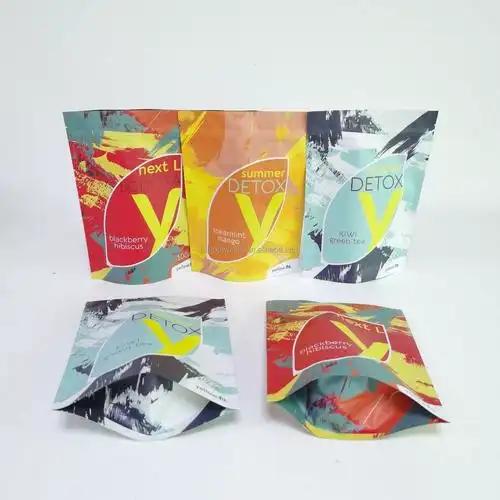
Consumers often get to know a brand by looking at the way it packages its products: clean, neat, and informative.food packaging can inspire confidence. People rarely buy products that look poorly sealed or seem suspicious. A single glance at a well-sealed package can reassure a customer that the food inside was prepared under proper conditions. The outer packaging must be durable, easy to open, and free of harmful chemicals. When everything is just right, it feels safe to take that package home, store it in a pantry or refrigerator, and open it later for a fresh meal.
The shift from older methods to advanced packaging methods also helps reduce waste. Teared boxes, broken seals, or plastic packaging that breaks down too quickly lead to more meals being thrown away. A well-thought-out approach ensures that everyfood packaging solution keeps both the product and the environment safe. Sustainable and eco-friendly options, such as compostable paper or recyclable plastic, fit well into our new era of sustainability.
How does good food packaging extend shelf life?
Food Packaging It works by creating a barrier between the food and the outside environment. This barrier protects against moisture, oxygen, and contaminants such as dust and microbes. In my own kitchen, I’ve seen how switching from regular plastic wrap to vacuum-sealed bags extended the shelf life of dry food such as pasta and rice. The vacuum bags prevented air from circulating freely, which is often the cause of spoilage.
Quick Comparison of Commonly Used Food Packaging Materials
Below is a table comparing various packaging materials, with a focus on their key specifications:
| Materials | Recyclability | Barrier Properties | Weight | Typical Use Cases |
|---|---|---|---|---|
| Glass | Highly recyclable | Excellent for oxygen/moisture | Heavy | Sauces, jams, preserves |
| Metal cans | Recyclable | Strong barrier (air/light) | Moderate | Soups, vegetables, canned goods |
| Plastic (PET) | Widely recyclable | Good barrier, depending on the thickness | Light | Bottled water, soft drinks |
| Paper/Cardboard | Potentially recyclable/compostable | Fair; requires panty liners | Very light | Dry food, grains |
| Bioplastics | Varies (compostable under certain conditions) | Reasonable, still under development | Differs | Select packaging, cutlery |
Many brands also apply a second layer of protective material to preserve freshness. This approach is particularly useful for breakfast cereals, granola, and other products with low moisture content. Layers help prevent exposure to moisture and ensure that the crispness consumers expect is maintained. For example, a cereal box lined with foil or plastic film can keep the product crisp for weeks, which reduces waste and encourages repeat purchases.
Packaging design further helps control the presence of harmful bacteria. Some advanced coatings incorporate antimicrobial agents or oxygen-absorbing inserts to create a stable internal environment. According toGoogle ScholarNew studies show that specialized film technologies can extend the shelf life of baked goods and snacks by several days or even weeks. This is great news for families in busy households who want to keep their lunches and snacks fresh.
Why is packaging dry food a unique challenge?
Dry food Products such as flour, sugar, or powdered mixes require moisture control. They may seem stable, but moisture can cause clumping or promote bacterial growth. During a volunteer trip to a tropical region, I noticed how quickly flour became unusable without a proper seal. Due to the humidity, lumps formed in the flour and it began to smell musty. By packaging it in moisture-resistant material, local bakers were able to store it longer and use it in baked goods that tasted fresh.
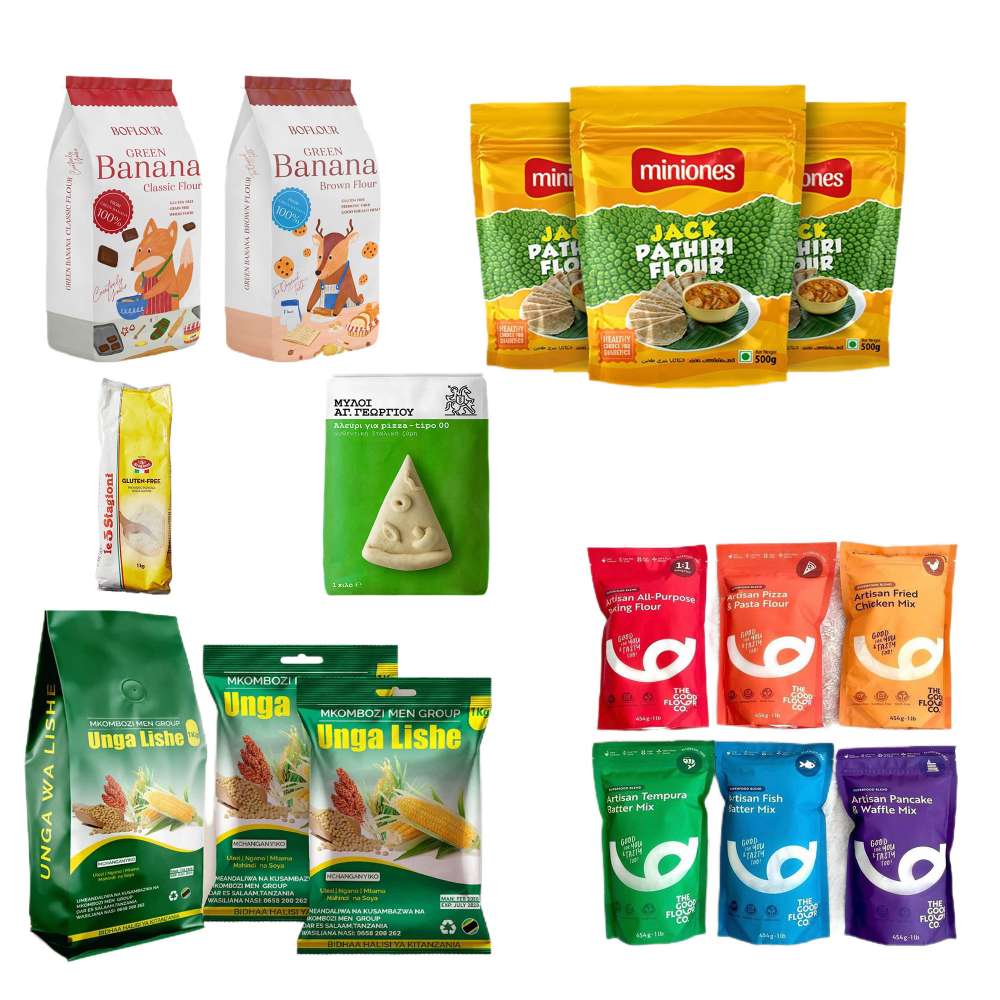
Exposure to air poses a silent threat to dry foods. Oxygen can cause oxidative rancidity, causing products such as nuts or chips to spoil. Bags with built-in oxygen barriers help keep these foods fresh and tasty. Ziplock closures and resealable packaging help consumers easily preserve food quality. A simple approach involves looking for packaging solutions that combine structure, thickness, and easy-to-open features.
Food Packaging Solution Companies are working on drought management by combining layers of plastic film, sometimes with aluminum foil or paper. Each layer fulfills a specific role: one layer can repel water, another can block oxygen, and yet another provides structural strength. This multi-layer technique ensures consistent quality, although environmental considerations favor single-material options or recyclable alternatives that still meet the moisture-barrier requirements.
Where do food packaging and sustainability intersect?
A food bag packaging Designs that prioritize the planet use eco-friendly materials and production methods. Reducing plastic, using biodegradable films, and opting for compostable or recyclable solutions reflect the most important sustainability goals. When I helped a local coffee shop switch to compostable bags, they noticed an increase in positive customer feedback. People were enthusiastic about the idea of a smaller ecological footprint.
Make onesustainabilityA paper-based bag isn’t just about replacing plastic with paper. It often requires a complete overhaul of the supply chain. Where do the raw materials come from? How is energy used in production? Every step can bring the packaging closer to a zero-waste model. Still, cost remains a factor, so striking a balance between eco-friendly choices and affordability remains a challenge for many startups.
In addition to production, the disposal of packaging materials is also important. Consumers need to know whether an item is compostable, recyclable, or biodegradable. Clear labels and instructions help them sort materials properly. According to industry data collected inScopus Clear labeling leads to higher recycling rates. This shows how small changes, such as a green recycling icon or brief disposal instructions, can have a meaningful impact.
Can we offer recyclable solutions for all food packaging?
A noble goal is to createrecyclable versions of every type of packaging. While plastics remain a staple, not all plastics recycle well. Multi-layer films may offer superior food protection, but the blend of materials can hinder efficient recycling. Yet there is hope in new technology. Recent innovations include single-material pouches that provide the same barrier protection using just one type of plastic. This approach makes recycling easier.
Some experts are also researching plant-based polymers—often called bioplastics—to see if they can withstand real-world conditions. Bioplastics can break down more quickly in specific environments. However, if they end up in a regular trash can or at a standard landfill, the breakdown process can slow down. Despite these obstacles, many packaging laboratories are pushing for improvements that will make bioplastics a truly viable alternative for everyday use.
Wider adoption of recycling-friendly methods requires joint efforts by manufacturers, consumers, and recycling companies. When people know which recycling bins to use for different types of packaging and when companies can effectively process those materials, they avoid sending waste to landfills. This synergy prevents non-biodegradable waste from accumulating, thereby protecting nature and ecosystems.
What are the most effective solutions for consumer food packaging?
Severalfood packaging solution Certain options stand out as consumer favorites. Paper bags remain a popular choice for snacks and breakfast cereals, especially when they have a thin lining to keep the contents dry. Glass jars offer durability for sauces, jams, and preserves. Although they are heavier, glass is often reusable and highly recyclable. In addition, metal cans remain popular for soups, vegetables, and other non-perishable products.
Resealable stand-up pouches became popular because of their convenience. They’re easy to store in cabinets, keep snacks fresh, and are suitable for various types of food.food packaging, from nuts to dog treats. During my own experiments with various packaging designs, I discovered that children love easy-to-open pouches. Parents appreciate them because they reduce spills and preserve freshness. These pouches therefore meet several criteria: ease of use, product protection, and improved brand visibility.
Minimalist packaging is another growing trend, focusing on simple designs, fewer materials, and eco-friendly inks or adhesives. The front label typically includes the brand name, flavor, or variety, while the back contains essential nutritional information. This clutter-free look appeals to those who appreciate modern design and care about the environment. Across the industry, it’s seen as a powerful way to reduce waste and present a polished aesthetic.
Which food packaging methods are best suited for different products?
Food Packaging Approaches vary depending on the product’s characteristics—moisture content, sensitivity, fragility, and shelf life. For crispy snacks like chips, nitrogen flushing inside the bag helps preserve texture. Fresh produce may rely on breathable plastic films that allow gases to exchange, prolonging freshness. In a personal experiment packaging strawberries, it was clear that standard sealed bags caused rapid spoilage, while perforated film bags allowed for better air circulation.
Dry grains and cereals are often best stored in sturdy, layered pouches that keep out moisture and pests. Meanwhile, liquids and sauces require rigid containers to prevent leaks. Glass jars, tins, or plastic bottles remain common choices in these situations. Jars, in particular, give a premium feel and allow consumers to see what’s inside.
Freezing requires special packaging and containers that can withstand extreme temperatures without cracking or letting in too much oxygen. Properly frozen meat and vegetables can stay fresh for months. With the growth of online grocery delivery, there is an increased focus on refrigerated packaging solutions that keep products cool. Insulated liners, ice packs, or foam boxes play a role in this, ensuring that products arrive safely at the customer’s doorstep.
How do innovation and food safety go hand in hand?
Advanced methods such as modified atmosphere packaging (MAP) and high-pressure processing (HPP) are revolutionizing the way we preserve food. MAP replaces the air inside a package with a gas mixture that slows spoilage. HPP uses pressure to kill pathogens without excessive heating, thereby preserving fresh flavors. Both methods reflect the ongoing shift toward smarterfood packaging solutions.
Safety remains of the utmost importance. Whether it'sdry food, fruits and vegetables, or ready-to-eat meals, spoilage must be kept to a minimum. Smart packaging can include sensors that change color when something starts to spoil. An acquaintance of mine, who runs a small deli, told me that they use these color-changing strips to ensure that the fillings in their sandwiches stay fresh. This practical innovation builds trust among customers who are wary of store-bought ready-to-eat products.
Regulations support these safety efforts. Government agencies worldwide specify permitted contact materials, labeling requirements, and manufacturing practices. According toWeb of Science Extensive, peer-reviewed research documents the link between safer packaging and fewer health problems among consumers. This comprehensive data encourages manufacturers to adhere to high standards and helps shoppers feel confident about their daily purchasing decisions.
When should companies invest in specialized food packaging?
Both small and large companies need to decide when to take their packaging strategy to the next level. Factors such as increased consumer demand, product line expansions, or quality control issues may indicate that the time has come. For a startup brand that…food bag packaging For an artisanal line of dried fruit, specialized solutions can help the products stand out on the shelves. A unique shape or design for the bag can attract attention, while resealable packaging can keep the fruit fresh and encourage repeat purchases.
Investments in packaging machineInvesting in new packaging materials often pays off through reduced spoilage, stronger brand awareness, and loyal customers. Sometimes a new packaging line may seem expensive at first glance, but fewer returns and more positive reviews can offset those costs. My own experience as a consultant for a snack manufacturer showed that better packaging led to fewer complaints about stale chips and more enthusiastic feedback from store managers.
The timing also depends on expansion into new markets. If a company wants to export goods, the packaging must comply with international regulations. Multilingual labels, tamper-resistant seals, or modifications may be required to withstand long shipping times. By anticipating these needs, a company can avoid last-minute rushes and potential losses.
Is there a universal food packaging solution for the future?
"Innovations in food packaging depend on the interest of consumers and businesses in a greener lifestyle. Every new invention combines science, creativity, and a commitment to protecting people and the planet," according to a quote from studies found onSemantic scholar
Although no single method meets all needs, the drive toward a universalfood packaging solution is all about simplicity, recyclability, and cost-effectiveness. Imagine a future in which everyfood packaging The material can be fully recycled or composted, while still ensuring a longer shelf life and robust protection. Many innovators are working on materials science that combines functional properties with environmental awareness.
Social norms can influence the level of acceptance of these breakthroughs. Public awareness of climate issues is driving widespread acceptance of greener packaging. Many people appreciate seeing official certifications on biodegradable or fully degradable packaging.recyclable packages, because it demonstrates a brand's commitment to improving its performance. This can foster brand loyalty and positive word-of-mouth.
A universal solution may also require collaboration across the entire supply chain. Farmers, manufacturers, distributors, and recycling companies can share data on what works best. When a single packaging design is suitable for multiple storage and transport conditions, it reduces overall raw material consumption. This synergy could usher in a new era of trade with minimal waste, combining convenience with the need to protect our planet.

 English
  Dutch
Dutch