The choice of oil as a flavoring is just as important to a product’s success as the spice blend. Conventional oils such as canola oil, soybean oil, and palm oil used to dominate the industry. Now, more and more brands are trying alternatives—such as avocado oil—to meet changing consumer demand and market trends. Whether it’s premium snacks or health-focused products, the choice of oil is a strategic decision. It influences product development, flavor, shelf life, and how the product positions itself in the market.
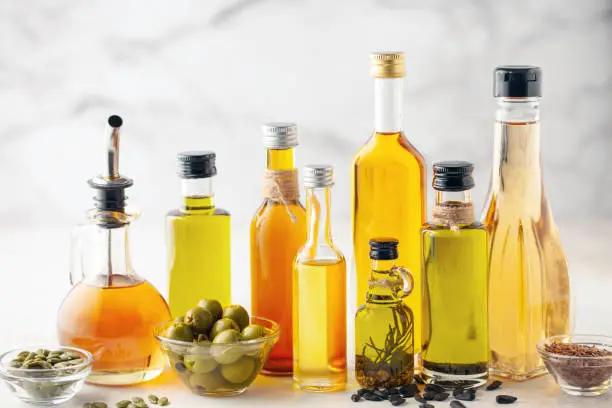
The market-driven shift toward premium oils
Over the past year, consumers have been seeking healthier oil options more than ever. Shoppers now check ingredient lists more often and look for clean labels. The oil used for seasoning has become a key factor in their purchasing decisions. Avocado oil is becoming more popular because of its health benefits. It has a high smoke point (400–450°F), heart-healthy monounsaturated fats, and requires little processing.
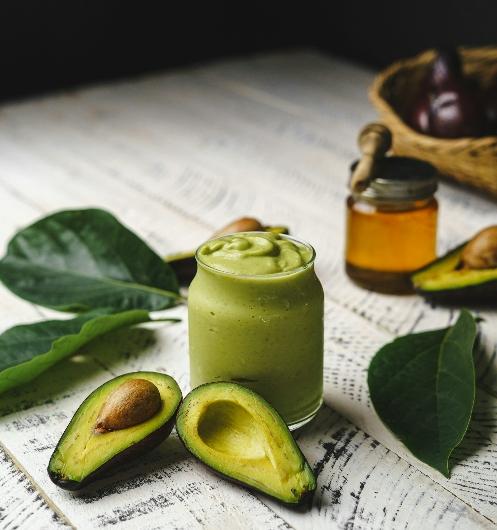
This change isn’t just limited to niche health food markets. Major CPG companies and new challenger brands are reformulating their products. They’re replacing traditional oils with alternatives such as avocado oil, high-oleic sunflower oil, or extra virgin olive oil. These Oils That Are Better for You They help brands market their products as natural, premium, or clean-label. These products are more appealing in health food stores, wellness e-commerce sites, and membership clubs—places that emphasize nutrition on packaging.
Market data supports this trend. Demand for clean-label products with ethical or environmental claims is growing by 15% annually. The broader market for specialty fats and oils is growing at an annual rate of 7.4% through 2030. This demonstrates that selecting oils is now both a formulation and a marketing strategy.
Oil as an ingredient with a dual function
Oil doesn’t just help seasonings stick to snacks. It also affects the mouthfeel, the flavor, and how the snack feels when you eat it. It also helps seasonings stick to chips, crackers, pretzels—all kinds of snacks. Different oils have unique flavors and textures that help with product positioning:
- Avocado oil has a subtle, buttery flavor. It also aligns with health-focused branding.
- Sunflower oil with a high oleic acid content has a clean, neutral taste. It allows bold seasonings—such as barbecue or dill pickle—to retain their original flavor.
- Extra virgin olive oil adds fruity, savory notes. It pairs well with Mediterranean or gourmet snacks.
The way you apply the oil is just as important to product qualityIf you don’t use the correct oil-to-herb ratio or don’t apply it correctly, the herbs in the package may separate. This leads to an uneven flavor and dissatisfied customers. This complexity makes working with experienced co-packers essential. They understand the differences between oils and know how best to use them.
Strategic oil selection based on product objectives
When making modern snacks, it's important to choose an oil that aligns with your product goals and target audience:
- Flavor-focused products You need oils that enhance or complement bold seasonings. They shouldn’t overpower the intended flavor.
- Health-Conscious SKUs Focus on oils that are rich in healthy fatty acids, minimally processed, and sourced from non-GMO crops. These appeal to health-conscious shoppers.
- Non-perishable products We need oils that don't go bad easily. This keeps them fresh, looking good, and tasting just right during long-distance distribution.
- Cost-Optimized SKUs They might use traditional oils. But they’ll try using blends or less oil to keep costs down without compromising quality.
Some brands have launched specific oil-based products, such as 'avocado oil potato chips' instead of 'traditional potato chips.' This allows them to reach different customers and price points at the same time. This strategy leverages the versatility of oil to better position products on store shelves and target customers.
Considerations Regarding Sustainability and Procurement
These days, consumers place greater value on the origin of ingredients—not just their nutritional value. Traditional oils such as palm and soybean oil are under fire. They are linked to deforestation, heavy pesticide use, and GMOs. Cost remains a factor for some brands in their decision to use these oils. However, many brands are switching to more sustainable options to meet their ESG goals.
Premium oils—such as organic sunflower oil, high-oleic safflower oil, and cold-pressed avocado oil—are now being marketed with sustainability claims. These include 'sustainably produced,' 'non-GMO,' and 'cold-pressed.' These labels appeal to environmentally conscious consumers. They also allow brands to charge higher prices.
It is important to work with contract manufacturers who understand sustainable sourcing and labeling. This ensures that products can make credible sustainability claims while complying with regulations and maintaining fair supply chains.
Scaling up of specialty oil applications through professional co-packing
Applying oil to snacks on a large scale presents technical challenges. These challenges are even greater when using high-quality or temperature-sensitive oils, such as avocado oil. These specialty oils require specific temperature controls, special handling, and detailed record-keeping. This ensures that quality is maintained and spoilage is prevented during processing.

At Lintyco PackageWe have advanced tools for processing both conventional and specialty oils in large production runs. Our blending systems are designed to:
- Spread the oil and herbs evenly on all kinds of dry snacks. We control application rates to within 1% of the target.
- Preserve the integrity and texture of the product during processing. We use gentle handling and optimized equipment.
- Prevent cross-contamination and flavor transfer between products. We follow strict cleaning protocols and use separate production lines.
- Complying with strict food safety and quality standardsWe have complete traceability data and comply with all regulations.
We regularly produce potato chips, pretzels, puffed snacks, crackers, and rice products. We use advanced methods to apply oil and dry seasonings. Our technical team assists with everything: oil testing, production speed, and seasoning recommendations. This improves seasoning adhesion and ensures consistent products.
Whether you want to reformulate existing products or launch new ones containing avocado oil or other healthy ingredients, Lintyco Pack has the expertise and capacity to bring them to market quickly and affordably.
Would you like to learn more about our herbal options and how we can help you with your next product? Then check out ourpackaging and processing solutions for the modern food industry.




 English
  Dutch
Dutch