The screwpackaging machine, a groundbreaking innovation in the packaging industry, has a rich history marked by continuous progress. This article explores the origins, development, and modern applications of this remarkable machine.
 vffs-packaging-machine03-1024×1024.jpg” alt=”vffs packaging machine03″ class=”wp-image-1789″/>
Early Development
The concept of screw-type packaging emerged in the early 20th century as demand for efficient, automated packaging solutions grew. The first screw-type packaging machines were rudimentary and used a rotating screw to push products into containers. These early models were primarily used for packaging powders and granules such as sugar and flour.
Key Milestones
A significant breakthrough occurred in the 1930s with the introduction of the auger screw. This innovation significantly improved the accuracy and consistency of the packaging process and allowed for the handling of a wider range of products. The auger screw’s design also enabled machines to operate at higher speeds, boosting efficiency and productivity.
Technological Advances
In the decades that followed, technological advances brought about further improvements. The integration of electric motors and advanced control systems led to greater precision and flexibility in packaging. In addition, new materials and manufacturing techniques led to the production of more durable and reliable machines.
Modern Applications
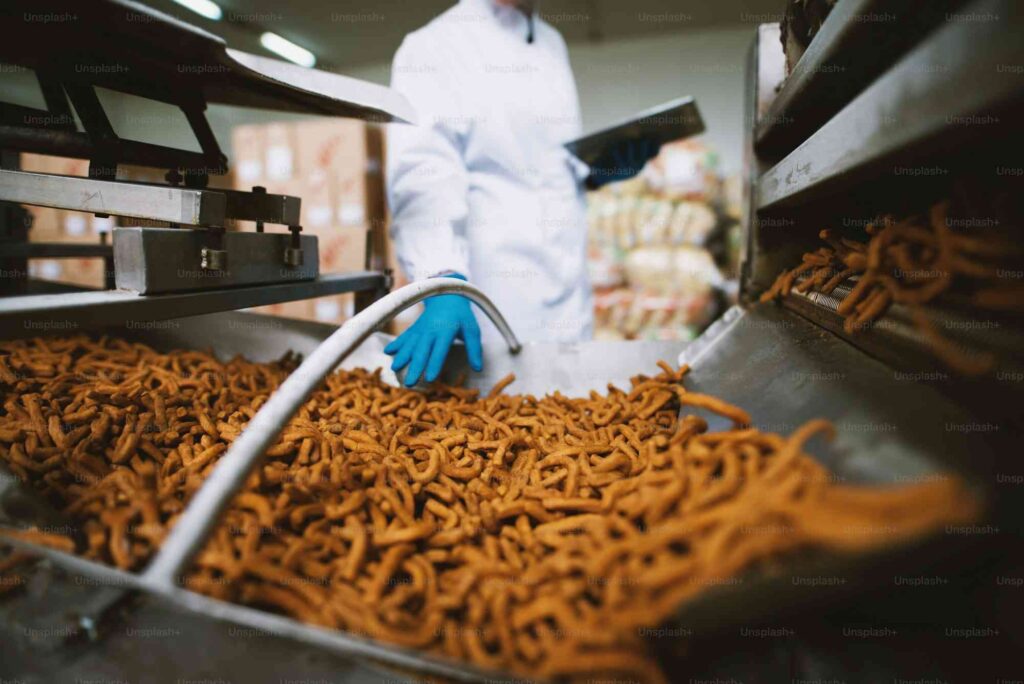
Today, screw-type packaging machines are indispensable in various sectors, including the food and beverage industry, the pharmaceutical industry, and the chemical industry. They excel at packaging powders, granules, pellets, and bulk materials such as sand and cement. These machines can be customized to meet the specific needs of different industries and are suitable for a variety of packaging sizes and shapes.
Benefits
One of the main advantages of screw packaging machines is their ability to deliver consistent and accurate packaging results. This precision is achieved through optimized screw geometry and control systems that adjust packaging speed and force based on the product’s properties. This consistency minimizes waste and ensures product quality.
In addition, screw-type packaging machines offer a high degree of automation, which increases efficiency and productivity while reducing the risk of human error, which can lead to inconsistent packaging or contamination. Automation also helps reduce labor costs and improve overall operational efficiency.
Conclusion
Since their introduction in the early 20th century, screw packaging machines have undergone significant evolution, marked by numerous milestones that have shaped their current efficiency and versatility. Today, these machines are essential to modern packaging processes, delivering consistent, precise results and a high degree of automation. As technology advances, screw-type packaging machines will continue to evolve and adapt to the ever-changing demands of the packaging industry.







 English
 Dutch