Are you tired of throwing away food because it’s gone bad? Are you looking for ways to extend the shelf life of your products and maintain their quality? Discover the incredible benefits of vacuum packaging machines, which preserve freshness, prevent waste, and offer versatile solutions for both businesses and households. From industrial applications to home kitchens, a vacuum sealer is an investment that pays off in the long run, especially when you consider suppliers from manufacturing hubs such as China.
What is a vacuum sealer, and how does it work?
A vacuum sealer removes air from a package before sealing it, creating a vacuum that significantly inhibits the growth of bacteria, mold, and yeast responsible for spoilage. By eliminating oxygen, the machine slows down oxidation, preserving the food’s flavor, color, and nutritional value. For example, a freshly cut apple turns brown when exposed to air—vacuum sealing prevents this oxidation, keeping your food fresh longer.
The machine works by placing a specially designed bag or pouch into the device and positioning the open end over a sealing bar. The air is then extracted, creating a low-pressure environment. Once the air has been removed, the sealing bar heats up and fuses the edges of the bag together to form an airtight seal. This simple yet effective process has a major impact on food preservation and ensures that your products remain fresh and safe.
Why should you consider an industrial vacuum sealer for large-scale operations?
For businesses that handle large quantities of food or other products, an industrial vacuum sealer is indispensable. These robust machines are built to handle high-volume packaging demands, offering speed, efficiency, and durability that smaller models cannot match. Commonly used in food processing plants, commercial kitchens, and industrial settings, they help preserve product quality and extend shelf life, resulting in significant cost savings and reduced waste.
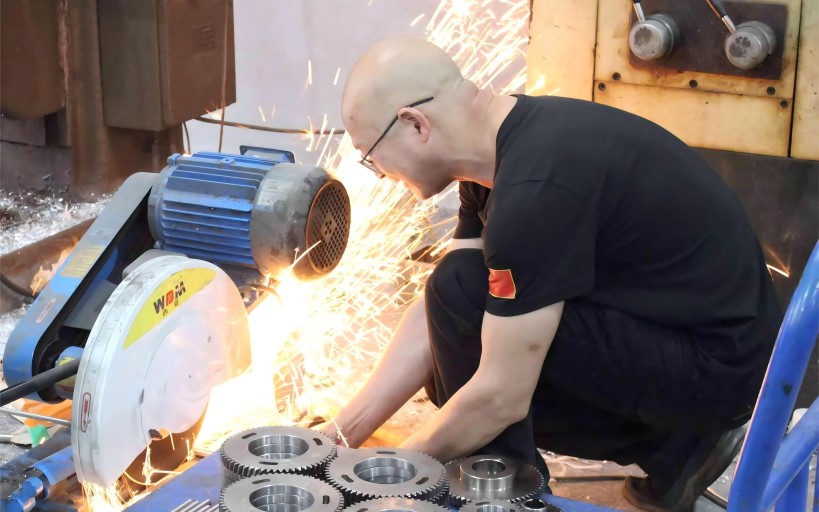
Industrial vacuum sealers are equipped with powerful pumps, multiple sealing bars, and advanced control systems for precise adjustment of vacuum levels and sealing times. By upgrading to an industrial model, companies can meet growing demand while maintaining high standards of quality and consistency. Although it is a significant investment, the benefits for large-scale businesses more than outweigh the costs.
What are the advantages of a chamber vacuum sealer?
Chamber vacuum sealers offer greater sophistication and versatility compared to external vacuum sealers. Unlike external models, which simply remove air from the bag, chamber vacuum sealers evacuate the air from the entire chamber, allowing you to package liquids, soups, and marinades without the risk of them being sucked out during the vacuuming process. This capability makes chamber sealers ideal for commercial use, as they are generally more powerful and faster.
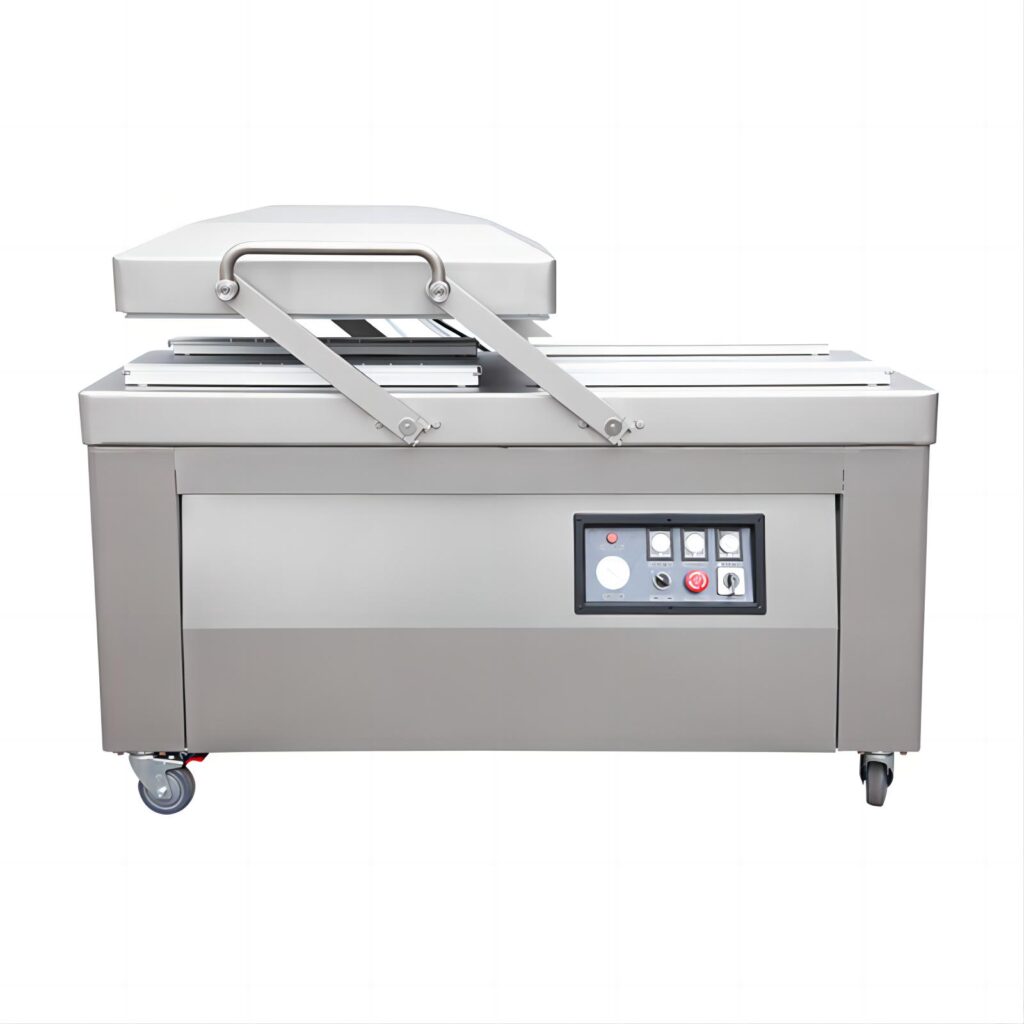
The ability to package liquids significantly expands the possibilities. For example, chefs who cook sous-vide can easily package marinated meat and delicate sauces, ensuring even cooking and maximum flavor retention. Chamber vacuum sealers are a favorite among both culinary professionals and foodies because of their versatility and efficiency.
An Exploration of Various Examples of Vacuum Packaging: More Than Just Food
Vacuum packaging machines are not limited to food preservation. They are versatile devices used to package a wide range of products, including pharmaceuticals, electronics, medical equipment, and industrial components. Creating a protective, oxygen-free environment is beneficial in various industries where product integrity, sterility, and shelf life are crucial.
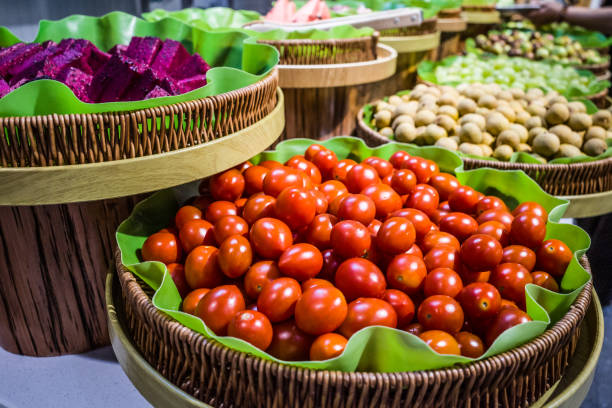
In the pharmaceutical industry, vacuum packaging protects sensitive medications from degradation caused by air and moisture. In the electronics industry, it protects components from static electricity and corrosion. Museums also use vacuum packaging to preserve fragile artifacts and historical documents. As technology advances, more and more innovative applications for vacuum packaging are emerging.
Is an electric vacuum sealer a good investment?
Electric vacuum sealer machines offer convenience, speed, and ease of use, making them popular for both professional and home use. These machines automate the vacuum and sealing process and require minimal manual intervention. With the simple push of a button, you can package your products quickly and efficiently, saving valuable time and effort. The precision of electric models ensures consistent results, minimizes sealing errors, and maximizes product protection.
The convenience alone makes an electric vacuum sealer a worthwhile investment. In busy restaurant kitchens, these machines streamline food preparation and storage processes by quickly portioning ingredients, sealing them in bags, and storing them for later use. This reduces food waste and ensures consistent quality. For home cooks, an electric vacuum sealer improves meal preparation, preserves leftovers, and extends the shelf life of pantry items.
How can a vacuum sealer for food revolutionize your kitchen?
A vacuum sealer for home use brings professional-grade food preservation to the home kitchen. These compact and user-friendly appliances allow home cooks to extend the shelf life of groceries, reduce food waste, and save money. Imagine buying in bulk, portioning out food, and storing it for weeks or months without worrying about freezer burn or spoilage. Say goodbye to thrown-away leftovers and enjoy a more organized and efficient kitchen.
In addition to preserving leftovers, a home vacuum sealer also offers exciting culinary possibilities. You can marinate meat in minutes instead of hours, because the vacuum process allows the marinade to penetrate deep into the food. Sous-vide cooking becomes more accessible, allowing you to create restaurant-quality dishes at home. Families can change their eating habits by portioning out healthy snacks and meals, making it easier to follow a nutritious diet. This small appliance makes a big difference in how you shop, cook, and eat.
Comparing Different Vacuum-Packing Methods: Which One Is Right for You?
There are several vacuum-packing methods available, each with its own advantages and limitations:
- External vacuum sealers (vacuum sealer machines): These are usually intended for home use; they are affordable, compact, and easy to use, but are not suitable for packaging liquids.
- Chamber vacuum sealers: They offer greater versatility and power, making them ideal for commercial use, but they come with a higher price tag and take up more space.
- Vacuum sealer with nozzle: Specialized machines for industrial applications or for packaging large, bulky items.
Choosing the right method depends on your specific needs and intended use. If you’re primarily packaging dry goods and a few solid items, an external vacuum sealer may be sufficient. However, if you regularly package liquids, cook sous-vide, or need higher speeds, a chamber vacuum sealer is a better investment. For large-scale industrial processes, machines with a nozzle or other specialized equipment may be required. Carefully consider your current and future needs before making a decision.
What factors should you consider when choosing a supplier of vacuum sealer packaging machines in China?
China is a major global hub for the manufacture of vacuum sealer packaging machines. When sourcing from China, it is crucial to choose a reputable supplier to ensure quality, reliability, and after-sales support. Key factors to consider include:
- Reputation: Look for suppliers with a proven track record and positive customer reviews.
- Certifications: Make sure they have industry certifications, such as ISO.
- Production capabilities: Evaluate their quality control processes and the materials they use.
- Announcement: Choose a supplier that is responsive, transparent, and fluent in your language.
- Logistics: Please take shipping costs, delivery times, and warranty terms into account.

Thorough due diligence and building a strong relationship with a trustworthy supplier are essential. Request samples, visit their factory if possible, and negotiate favorable terms. Remember, the cheapest option isn’t always the best. Investing in a quality machine from a reliable supplier will pay off in the long run.
How does vacuum packaging affect food safety and shelf life?
Vacuum-sealed packaging significantly improves food safety and extends shelf life by removing oxygen, which inhibits the growth of aerobic bacteria, mold, and yeast. This reduction in oxygen not only decreases the risk of foodborne illnesses but also preserves the food’s quality, flavor, and nutritional value for a longer period. Vacuum-sealed foods can last three to five times longer than conventionally stored foods, depending on the type and storage conditions.
For example, vacuum-packed meat can be stored in the refrigerator for several weeks and in the freezer for up to two to three years without developing freezer burn. Dry goods such as grains, nuts, and coffee beans can stay fresh for months or even years when vacuum-sealed. This extended shelf life reduces food waste, enables bulk purchasing, and allows for more efficient meal planning. Vacuum packing is transforming food storage methods, offering benefits in both commercial settings and home kitchens.
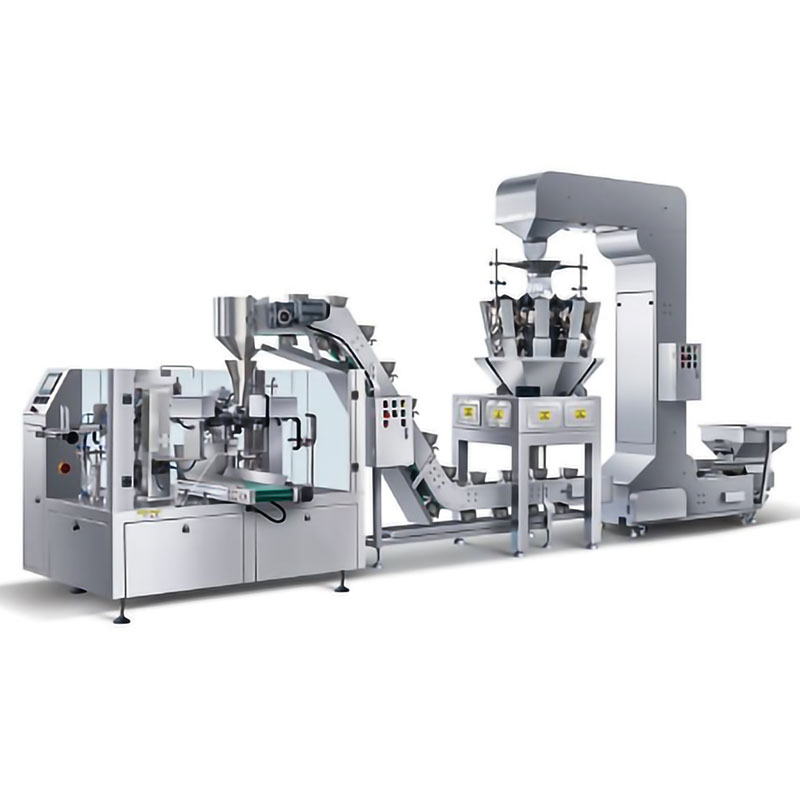
What Is the Future of Vacuum Sealer Packaging Technology?
The future of vacuum packaging technology looks promising, with ongoing innovations aimed at improving efficiency, versatility, and sustainability. Expected developments include:
- Intelligent machines: Equipped with advanced sensors and controls to automatically adjust the vacuum level and sealing times based on the specific product.
- Smart integration: Integration with smart home systems and mobile devices for remote monitoring and control of the packaging process.
- Sustainability: Development of environmentally friendly packaging materials, reduction of energy consumption, and increased use of bio-based and compostable films.
- Customized solutions: Customizable machines, tailored to the unique needs of individual businesses or households.
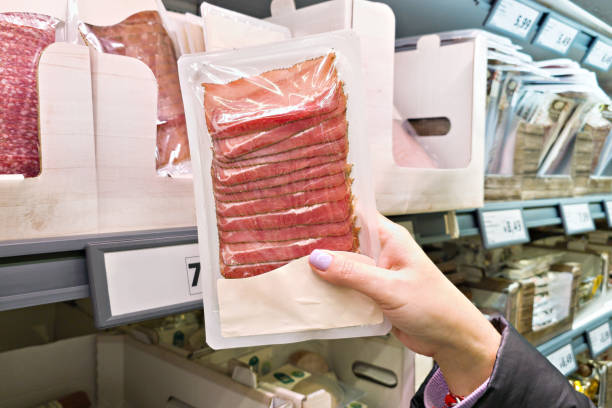
These innovations drive technological progress and make vacuum packaging even more efficient, sustainable, and adaptable to various applications.
Key Points
- Vacuum packaging machines remove air from packages, which inhibits bacterial growth and extends the shelf life.
- Industrial vacuum sealers are ideal for large-scale operations, which offers speed, efficiency, and sustainability.
- Chamber vacuum sealers are versatilewhich allows liquids to be packaged and enables more power to be delivered.
- Vacuum packaging has a wide range of applications outside the food industry, including pharmaceuticals, electronics, and more.
- Electric vacuum sealer offers convenience and precision, suitable for both commercial and home use.
- Household vacuum sealer revolutionizes kitchens by reducing food waste, extending shelf life, and enabling new cooking techniques.
- Choosing the right vacuum packaging method depends on your specific needs, taking into account factors such as product type, volume, and budget.
- When sourcing from China, it is crucial to choose a reputable supplier with a proven track record and robust quality control processes.
- Vacuum packaging has a major impact on food safety and shelf life, thereby reducing spoilage and extending freshness.
- The future of vacuum packaging technology promises greater intelligence, sustainability, and customization.
Investing in avacuum sealer packaging machine can transform the way you store and manage your products, whether in a commercial setting or at home. Embrace this technology and enjoy fresher, longer-lasting products and a more efficient, sustainable approach to packaging. So if you have any questions, please don’t hesitate to contact us!


 English
  Dutch
Dutch