Do you find it challenging to meet the growing demand for perfectly portioned sugar packets? This article explores the world of sugar packetspackaging machineand highlights their benefits, types, and cost considerations. Discover how these machines can streamline your packaging process and address sustainability concerns, ultimately taking your business to a higher level of efficiency and profitability.
What is a sugar packet packaging machine, and why is it essential?
A sugar packet packaging machine is an automated device designed to fill and seal individual packets, or sachets, with a specific amount of sugar. Think of the small sugar packets you get in coffee shops or restaurants—that’s the magic of these machines. By automating the packaging process, these machines eliminate the need for manual filling, which can be time-consuming and prone to errors.
Advantages:
- Context: Ensures that each packet contains the exact amount of sugar.
- Hygiene: Minimizes human contact and maintains hygiene standards.
- Efficiency: Increases production speed and effortlessly meets high demand.
Personal experience:
In my early years in the packaging industry, I worked for a small café owner who filled every sugar packet by hand. As their business grew, this method became a bottleneck. Investing in a semi-automatic sugar packet filling machine transformed their operations: production increased dramatically and consistency improved, leading to higher customer satisfaction.
What determines the price of a sugar packet packaging machine?
Various factors influence thePrice of a sugar packet packaging machine:
- Level of automation: Fully automatic machines are more expensive, but they offer greater efficiency compared to semi-automatic machines.
- Production capacity: Machines designed for high-volume production are generally more expensive.
- Material quality: Sustainable materials and advanced components drive up the price.
- Brand Reputation: Established brands may command a premium for reliability and support.
- Additional features: Touchscreen interfaces, support for multiple package types, and advanced sealing technologies can increase costs.
Table: Factors That Affect the Price of the Machine
| Factor | Impact on the price |
|---|---|
| Level of Automation | Greater automation, higher costs |
| Production Capacity | Higher capacity, higher costs |
| Material Quality | Sustainable materials, higher costs |
| Brand Reputation | Trusted brands, premium price |
| Additional features | More features, higher costs |
Insight:
I once advised a company that chose a cheaper machine to save on initial costs. However, frequent breakdowns and expensive repairs ended up costing more in the long run. It’s crucial to consider the total cost of ownership—including maintenance and support—not just the initial price.
Is a sachet packaging machine worth the investment?
Decide whether thePrice of a sachet packaging machine To determine whether it's worth it, you need to assess your business needs and the potential return on investment (ROI).
Considerations:
- Question: Do you find it difficult to keep track of all your orders manually?
- Labor costs: Automation can significantly reduce labor costs.
- Context: Better packaging quality strengthens your brand image.
- Scalability: Ability to quickly scale up production to meet growing demand.
Example:
Businesses that invest in sachet packaging machines often see a quick return on investment (ROI) through reduced labor costs, increased output, and improved product quality. It’s not just about saving money; it’s about enhancing efficiency and opening up new growth opportunities.
Unpacking the Different Types of Sugar Pouch Machines
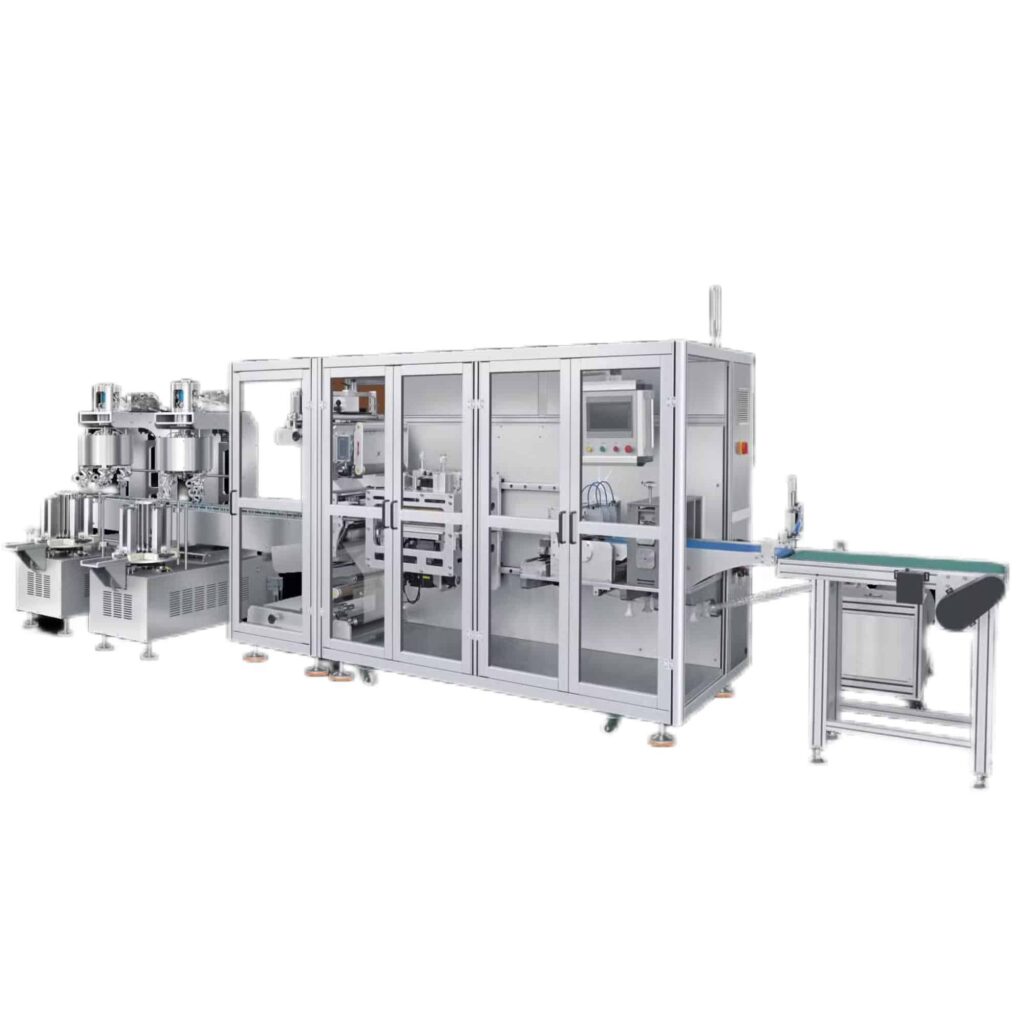
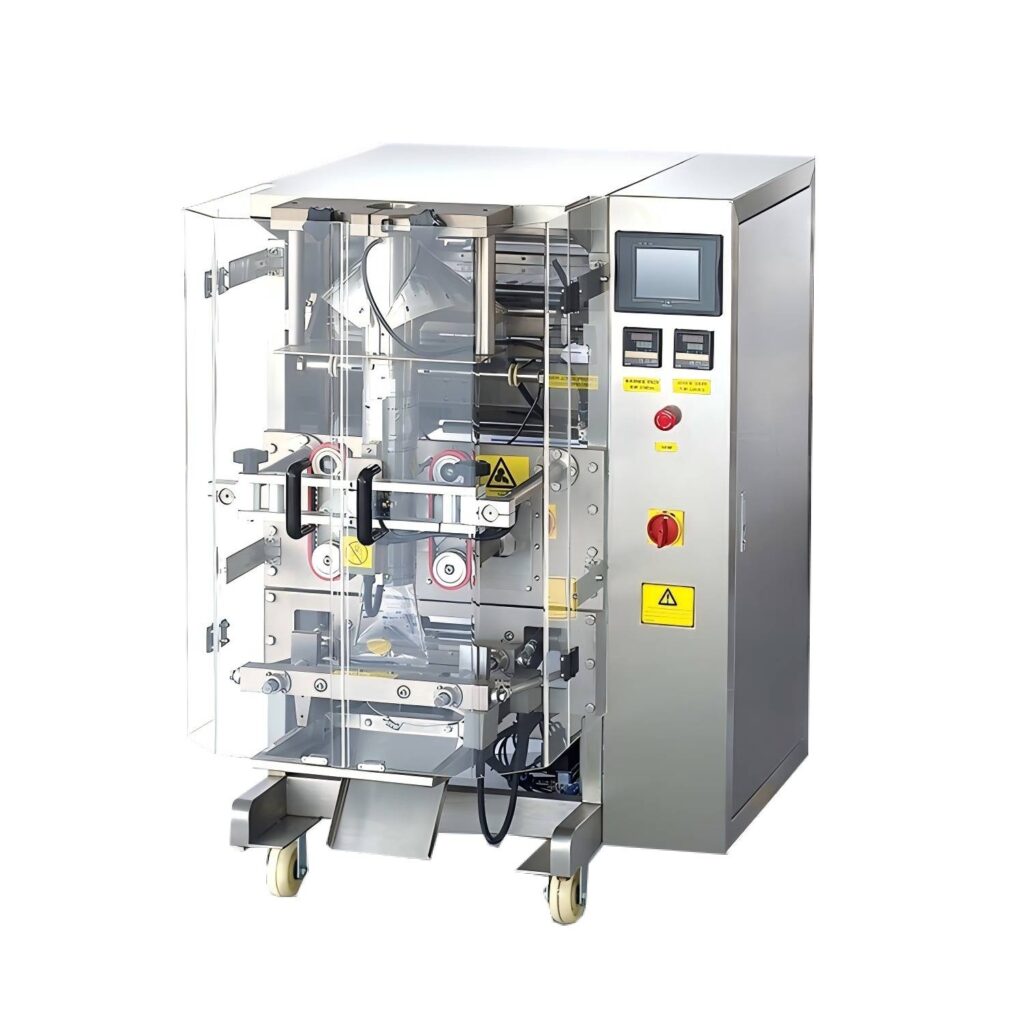
There are mainly two typessugar packet machines:
- Vertical Form, Fill, and Seal Machines (VFFS):
- Advantages: Versatile, compact size, suitable for various sachet sizes.
- Ideal for: High-volume production with flexibility.
- Horizontal Form, Fill, and Seal (HFFS) Machines:
- Advantages: Higher speed, specific bag shapes.
- Ideal for: Large-scale operations that require rapid packaging.
Choosing the Right Type: Assess your production volume, sachet size, and available space to determine which machine best suits your needs.
Personal insight:
A customer initially opted for a high-speed HFFS machine but later switched to a more compact VFFS machine after realizing that their space was limited. This decision optimized their production without compromising efficiency.
Can I use the same machine for 1-kg sugar packaging machines and small bags?
Use the same machine for both1 kg package of sugar and small sachets is generally not feasible. Here’s why:
- Various mechanisms: Machines for larger bags use different filling and sealing mechanisms than bag-filling machines.
- Precision: Packaging machines require a higher degree of precision for accurate filling and consistent sealing.
- Material Processing: Sachet machines are designed for delicate films, while 1-kg machines handle more robust materials.
Analogy:
It's like trying to use a hammer to drive a tiny screw—you need the right tool for the job.
Recommendation:
Invest in specialized machines for each packaging format to ensure efficiency and accuracy.
What are the best options for sugar packaging bags?
Making the Right Choicesugar packaging bags is crucial for product protection, shelf life, and brand presentation.
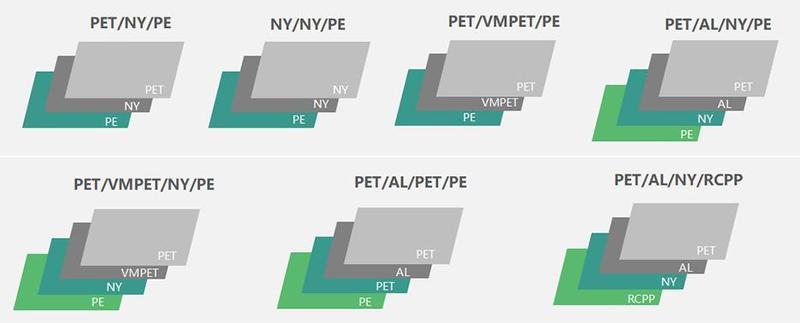
Common materials:
- Polyethylene (PE): Cost-effective with a good moisture barrier.
- Polypropylene (PP): Higher heat resistance, suitable for applications with hot fill.
- Laminates: Combine materials such as paper, PE, and aluminum foil for excellent barrier properties.
Considerations:
- Moisture barrier: Keeps sugar fresh and free-flowing.
- Print quality: High-quality materials ensure better branding and graphic presentation.
- Environmental impact: Recyclable or compostable options are becoming increasingly popular.
Personal insight:
Companies that choose eco-friendly packaging not only help protect the environment, but also appeal to environmentally conscious consumers, thereby strengthening their brand's reputation.
How does automation improve efficiency in the packaging of sugar packets?
Automation via asugar packet packaging machine revolutionizes efficiency in several ways:
- Increased production speed: Machines can fill and seal hundreds or thousands of bags per hour, far surpassing manual methods.
- Consistent portion control: Ensures that each packet contains exactly the right amount of sugar, thereby maintaining product quality.
- Lower labor costs: Minimizes the need for manual labor, thereby reducing operating costs.
- Minimal human error: Automation ensures accuracy and reduces the likelihood of errors.
Example:
Companies that implemented automated packaging lines saw a significant increase in their production capacity. This enabled them to meet the increased demand without compromising quality.
What role does sustainability play in modern sugar packet packaging?
Sustainability is a key focus in today’s packaging industry. Here’s how it affects packaging of sugar packets:
- Environmentally friendly materials: Using recyclable or compostable films reduces the environmental impact.
- Energy-efficient machines: Modern packaging machines consume less energy, which reduces operating costs and the carbon footprint.
- Waste Reduction: Precise filling minimizes product waste and the use of packaging materials.
Advantages:
- Environmental Conservation: Reduces dependence on traditional plastics.
- Improved brand image: Consumers prefer brands that place a high priority on sustainability.
- Regulatory Compliance: Complies with increasingly stringent environmental regulations and standards.
Personal insight:
By adopting sustainable practices, you’ll not only benefit the environment, but you’ll also attract a loyal customer base that values eco-friendly initiatives.
How do you choose the right sugar packet packaging machine for your business?
Selecting the Idealsugar packet packaging machine involves evaluating various factors:
- Production volume: Determine how many bags you need to produce each day or each week.
- Bag size and shape: Make sure the machine can meet your specific packaging requirements.
- Material compatibility: Choose a machine that is compatible with the packaging materials you have selected.
- Level of automation: Choose between fully automatic and semi-automatic machines based on your operational needs.
- Room availability: Consider the machine's footprint to ensure it fits in your production area.
- Budget: Weigh the initial costs against the long-term benefits and maintenance costs.
- Manufacturer's reputation: Choose reliable brands that offer good support and a warranty.
Steps to choose from:
- Needs Assessment: Define your production and packaging requirements.
- Search options: Compare different machine types and features.
- Request a quote: Request detailed quotes from multiple suppliers.
- Evaluating support: Take a look at the quality of the customer support and maintenance services offered.
- Test machines: If possible, watch the machines in action or ask for a demonstration.
What Is the Future of Sugar Sachet Packaging Technology?
The Future oftechnology for packaging sugar packets is promising and is driven by advances in automation, materials science, and sustainability.
Emerging trends:
- Smart packaging: Integration of IoT for real-time monitoring and data analysis.
- AI and machine learning: Improving machine efficiency and predictive maintenance.
- Biodegradable materials: Increasing use of environmentally friendly packaging films.
- Customization: Flexible machines that can adapt to different packaging formats and sizes.
- Energy Efficiency: An ongoing focus on reducing energy consumption in packaging processes.
Forecast:
Technological innovations are leading to smarter, more efficient, and more environmentally friendly packaging solutions, enabling companies to remain competitive and sustainable.


 English
  Dutch
Dutch