The fully automatic cartoning machine significantly reduces labor costs. It is the result of scientific and technological development and is a highly automated machine. This product is widely used in sectors such as the pharmaceutical industry, the food and beverage industry, and the household chemicals industry. The use of cartoning machines can significantly reduce the material and labor costs of automated packaging, which is of great economic importance. However, even a fully automatic cartoning machine will experience some malfunctions during daily operation. What are the most common malfunctions? How can these malfunctions be resolved?
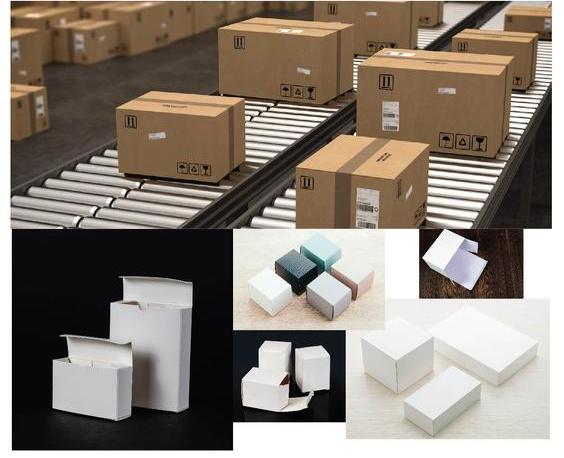
The box isn't sealed properly
This defect is often caused by an uneven inner layer of the cardboard, uneven sealing pressure, low sealing temperature, etc.
Problem-Solving Method:
(1) Remove any cardboard materials that do not meet the requirements.
(2) Adjust the sealing pressure.
(3) Increase the heat-sealing temperature.
Improper Sealing
This malfunction is often caused by the glue applicator being in the wrong position.
Troubleshooting Method: Readjust the position of the gluing machine.
The incorrect cartoning position deviates too much from the center of the color mark, etc.
Cause: The photoelectric switch (electric eye) is not positioned correctly.
Troubleshooting Method: Readjust the position of the photoelectric switch (electric eye).
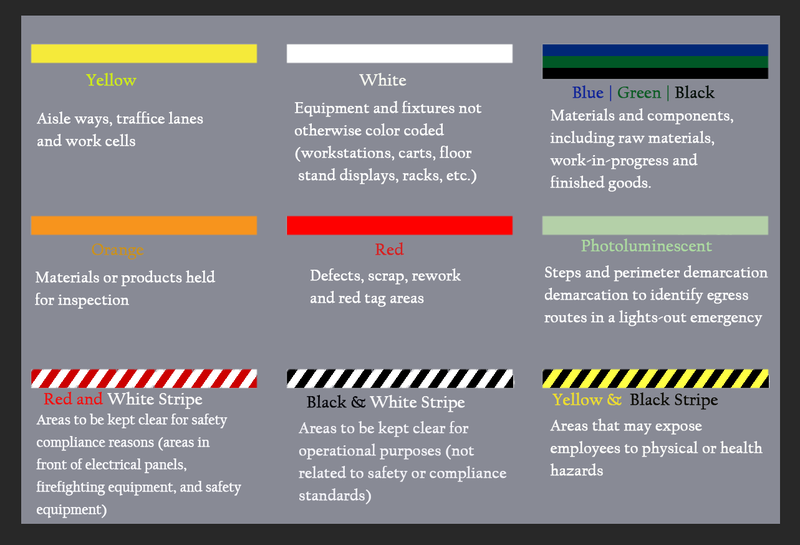
Positioning of Color Markers and Compensation for Photoelectric Trackingare out of control.
This malfunction is often caused by the box encountering seams and rough edges; dirt in the paper mold preventing the paper from feeding properly; the box jumping out of the guide strip of the photoelectric switch (electric eye); the light spot from the photoelectric switch (electric eye) does not align with the color mark; the sensitivity of the photoelectric switch is poor; or the light and dark detection modes are used incorrectly.
Problem-Solving Method:
(1) Remove unqualified boxes.
(2) Clean the tray to ensure the paper feeds smoothly.
(3) Place the cardboard in the paper guide.
(4) Adjust the left and right positions of the guide paper so that the light spot is centered on the color mark.
(5) Replace the photoelectric switch and select the correct switch for light and dark motion.
The paper feed motor does not run or keeps running.
This malfunction is often caused by a jammed paper feed lever, a damaged paper feed proximity switch, a damaged start capacitor, or a blown fuse.
Problem-Solving Method:
(1) Resolve the cause of the malfunction.
(2) Replace the paper feed proximity switch. (3) Replace the start capacitor.
(4) Replace the fuse.
The cardboard is not being pulled (the cardboard-pulling motor is not running).
This error is often caused by a circuit malfunction, damage to the proximity switch for pulling cardboard, a malfunction in the automatic cartoning machine's controller, a malfunction in the stepper motor driver, and so on.
Problem-Solving Method:
(1) Check the circuit and troubleshoot any problems.
(2) Replace the proximity switch for pulling the bag.
(3) Replace the controller on the automatic cartoning machine.
(4) Replace the stepper motor driver
The Mag editor mentioned above briefly outlines the common issues and solutions for fully automatic cartoning machines. Our company, LTC PACK, is a professional manufacturer of packaging equipment. If you are interested in our company, please feel free to contact us. We look forward to your call.







 English
  Dutch
Dutch