With the rapid growth of the pet industry, more and more people are choosing to keep pets as companions. Since pet food is an indispensable part of pets’ lives, it is particularly important for pet food companies to select appropriate packaging materials. This article discusses the selection criteria for packaging materials used by pet food companies.
Safety of Food Packaging Materials
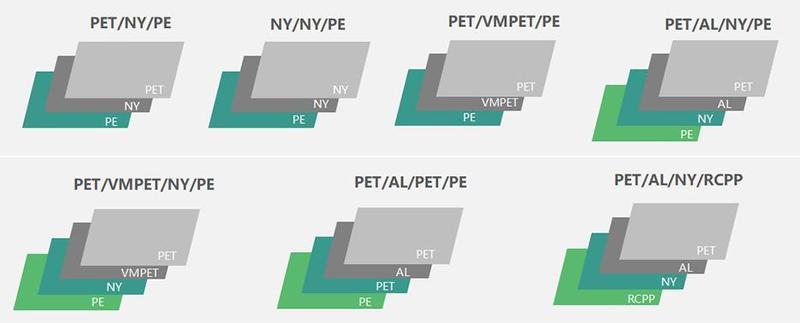
The safety of food packaging materials is the most important selection criterion. For animal feed companies, choosing safe and harmless materials is a demonstration of responsibility toward consumers. Therefore, when selecting food packaging materials, priority should be given to materials suitable for food contact, such as PET, PP, and other non-toxic, odorless, and environmentally friendly materials. In addition, it is necessary to ensure that the materials comply with the relevant national food safety standards and have the corresponding certification qualifications.
Freshness of Food Packaging Materials
Preserving the freshness and flavor of animal feed is one of the most important goals of food packaging. Therefore, freshness must be taken into account when selecting food packaging materials. In general, materials with good oxygen barrier properties, moisture regulation, and moisture-resistant properties are more suitable as packaging materials for animal feed. For example, aluminum foil packaging has good oxygen-barrier properties, allowing it to effectively block oxygen and extend the shelf life of food.
Corrosion Resistance of Food Packaging Materials
As a food product, animal feed requires packaging materials with good corrosion resistance. When selecting packaging materials, it is advisable to avoid slightly corrosive materials, such as iron sheets. Materials with good corrosion resistance, such as plastics and glass, are, on the other hand, more suitable as packaging materials for animal feed.
Recyclability of Food Packaging Materials
Environmental protection and sustainable development have become key issues in today’s society. To reduce their environmental impact, pet food companies should prioritize recyclable packaging materials, such as PET and PP. In addition, degradable materials such as bio-based plastics can also be considered to reduce environmental pollution.
Visual Design of Food Packaging Materials
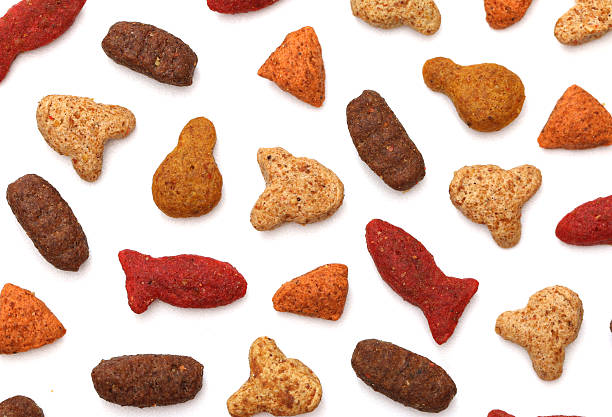
The visual design of food packaging materials is a way for pet food companies to connect with consumers on an emotional level. Through exquisite packaging design, they can attract consumers’ attention and strengthen their brand image. Therefore, when selecting food packaging materials, we should not only consider their functionality but also pay attention to the appeal of their visual design, in order to enhance the product’s competitiveness.
Cost Considerations for Food Packaging Materials
Although the quality and functionality of food packaging materials are very important, price is also a key factor for companies. When selecting food packaging materials, costs must be carefully considered, and the most cost-effective materials must be chosen. Animal feed companies can save costs and achieve greater economic benefits by using the right packaging materials and a well-thought-out packaging design.
Automatic Pet Food Packaging Machines: Streamlining Production and Ensuring Quality
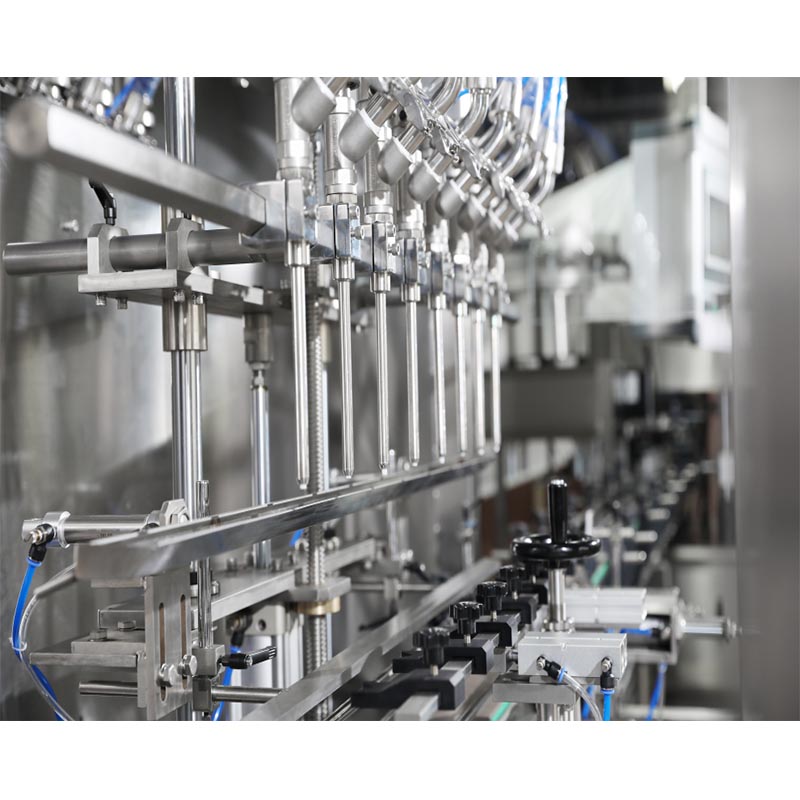
As demand for pet food increases, so does the need for efficient, reliable, and safe packaging solutions.Automatic packaging machines have become a cornerstone for animal feed producers and offer countless benefits in terms of efficiency, consistency, and product protection. These machines are specifically designed to meet the unique requirements of animal feed and ensure that the final product reaches the consumer in optimal condition. That is why automatic packaging is crucial for the animal feed industry:
1. Custom-made for various sizes of pet food
Pet food is available in a wide range of formats, from dry and wet food to treats and supplements. Automatic packaging machines can be adapted to meet the various packaging requirements for these diverse products. Whether it’s a small bag of dog treats or large bags of cat food, automatic machines are versatile enough to quickly switch between packaging sizes and types.
2. Optimized freshness and seal integrity
One of the main concerns when packaging pet food is maintaining thefreshness Andsafety of the product. Automatic packaging machines help achieve this by using advanced sealing technology to ensure airtight seals. This prevents air, moisture, and contaminants from compromising product quality. Whether it involves the use ofvacuum packaging, nitrogen flushing, orthermal seal With the help of automated machines, animal feed can stay fresh longer, which is crucial for its shelf life and the health of the animals.
3. Precision and consistency in portioning
For animal feed producers, it is essential to maintain accurate portion sizes. Automatic packaging machines ensure precise filling and minimize overfilling or underfilling of bags. This level ofaccuracy Andcoherence ensures that every package of pet food meets the exact weight and portion specifications. This increases customer satisfaction and reduces product waste.
4. Efficient bulk packaging
In addition to individual retail packages, animal feed companies often need to package products in bulk for wholesale distribution or larger-scale storage. Automatic packaging machines can efficiently process large quantities of animal feed, reducing the need for manual labor. By automating the bulk packaging process, manufacturers can speed up production, reduce errors, and improve overall operational efficiency.
5. Improved hygiene and safety
Hygiene is a top priority in animal feed packaging, given the risk of contamination. Automatic packaging machines are designed with hygiene-focused features, such as easy-to-clean components, sealed systems to prevent dust accumulation, and materials that inhibit bacterial growth. This ensures that the packaging environment remains clean and that the feed does not become contaminated throughout the entire process.
6. Sustainable packaging options
Due to growing environmental concerns, more and more animal feed manufacturers are trying to reduce their environmental impact. Automatic packaging machines are compatible withenvironmentally friendly materials, such as recyclable plastic or biodegradable bags. In addition, these machines often incorporate design features that reduce material waste by using precise measurements for packaging, which contributes to more sustainable production practices.
7. Improved production speed and cost-effectiveness
By automating the packaging process, animal feed manufacturers can significantly increase their production speed. Automated machines can package thousands of units per hour, compared to manual packaging, which saves both time and labor costs. This rapid packaging also results in fewer errors, less product loss, and higher overall profitability.
8. Scalability and flexibility
As pet food brands grow and diversify, their packaging needs may evolve. Automatic packaging machines offer scalability, allowing manufacturers to adapt to increased production demands or introduce new packaging formats without major operational disruptions. Whether expanding into new pet food categories or adjusting packaging formats, these machines provide the flexibility needed for growth and adaptation in a dynamic market.
Conclusion
Choosing suitable packaging materials for animal feed is crucial for companies that produce animal feed. To ensure food safety, factors such as freshness, corrosion resistance, recyclability, appearance, and cost of the materials must be taken into consideration. Only by selecting standardized and suitable packaging materials for animal feed can animal feed manufacturers effectively improve product quality, meet consumer needs, and differentiate themselves in the market.
LTC Package is a leading provider of equipment and service solutions for packaging beverages, food, home, and personal care products in pouches, cans, glass, and other materials. With over 40,000 machines installed in more than 190 countries, we have nearly 20 years of proven experience, with a strong focus on the factory of tomorrow
A solution for every need. From packaging and blow molding to filling, labeling, and packing, all the way through to palletizing: we have solutions to meet every need.




 English
  Dutch
Dutch