The vertical form, fill, and seal machine is available in dozens of models, ranging from tabletop models capable of 30 bags per minute to production lines capable of 80 bags per minute, equipped with nitrogen and a checkweigher. This guide walks you through the eight steps that turn a machine into the right machine for your needs. The order is non-negotiable: each step determines the next.
Step 1: Product Behavior
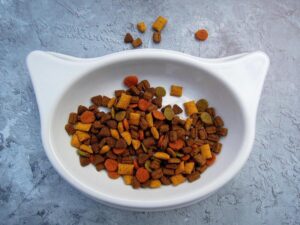
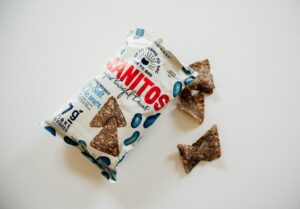
First, identify your product: bulk material, powder, or liquid; brittle or solid; dusty or clean. This determines the dosing route. Chips break with every impact; sugar flows like water; flour compacts under vibration. A machine you haven’t tested with your own product is a gamble—schedule a test run.
Step 2: Output
Work backward from your production volume: How many bags per minute does the line need to produce to handle your annual volume within the available shifts? A line running at 30 bags per minute requires a different drive system than one running at 80 bags per minute. Buy the speed that your production volume requires, not the speed that makes an impression—that’s the advice from how much a packaging machine costs.
Step 3: Dosing System
| Product | Dosing device | Accuracy |
|---|---|---|
| Pellets, beans, snacks | multi-head weigher | ±0.5 g |
| Powder | screw feeder with vacuum system | ±0.5 to 1% |
| Liquid, paste | piston filler | ±1% |
The dosing unit is often the line's largest expense and the factor that limits its speed. For powder, read the separate guide on the powder packaging machine.
Step 4: Bag Sizes
List every bag size you’re currently producing and plan to produce over the next three years: width, length, and capacity. Each size requires a shoulder-forming jig and a gusset set. More sizes mean more tools and longer changeovers—the factors that determine setup time are listed in format change.
Step 5: Foil and Sustainability
Your choice of film determines the sealing method and a large portion of your annual costs. Mono-PE is recyclable and is increasingly viable for snacks and granules; composites provide a barrier but cost more and reduce recyclability. Measure film consumption per bag and optimize width and seam length—see film consumption. The Dutch market is strongly opposed to this, according to the sustainable packaging solutions-page.
Step 6: Hygiene and Materials
Food contact requires 304 stainless steel, an open design for easy cleaning, and smooth welded joints; corrosive products require 316 stainless steel. Ask about the IP rating of the cabinets and whether the machine can be wet-cleaned. CE documentation should be included with the quote—not presented as a surprise afterward.
Step 7: Auxiliary Equipment
The VFFS is the heart of the system, not the entire line. Determine which one auxiliary equipment You’ll need: a product elevator or screw conveyor to the hopper, a metal detector or checkweigher after the machine, and a way to fit everything into your facility. Each connection point is an integration point—plan the connections before placing your order.
Step 8: Supplier and Service
Ask every candidate the same questions: test run of your product, delivery time, availability of parts within 24 to 48 hours, response time in case of a malfunction, and training for your operators. Compare the answers side by side on paper. A machine is a ten-year commitment; the question of how you maintain it is part of that — see maintenance of a packaging machine.
The Selection Matrix
| Criterion | Your requirement | Question for the supplier |
|---|---|---|
| Product | bulk material/powder/liquid | Is a trial run offered? |
| Output | … bags/min | At what dose weight was this achieved? |
| Formats | list of … sizes | Tools included? |
| Transparency | mono-PE/composite | Did you do the foil test? |
| Materials | Stainless Steel 304/316 | Is the certificate available? |
| Service | response time, components | Is 24 to 48 hours feasible? |
Frequently Asked Questions
Q: Do I always have to choose the most expensive option?
No. Choose the option that best suits your product and shifts. Excess capacity requires investment and maintenance without a return; insufficient capacity requires night shifts. The eight steps above will naturally lead you to the right balance.
Q: Can I expand later?
Partly. Dosing modules and nitrogen flushing systems can often be retrofitted; frame speed and column width cannot. If you expect growth, choose a frame based on your final setup and build up the dosing system step by step.
Q: What are the benefits of a trial run?
You watch your own product being bagged, weigh it, and seal it—and you’ll get the film usage and speed printed out on paper. Those are the only numbers that matter in a quote; everything else is just an estimate.
Related pages
vertical form, fill, and seal machine | auxiliary equipment | powder packaging machine | What is a VFFS? | maintenance of a packaging machine
Request a technical proposal Please specify the product, bag size, and desired output.
 English
  Dutch
Dutch