Packaging solutions for seafood are essential for preserving the quality and freshness of fish products while ensuring safe transport and compliance with regulatory standards. The industry has made significant progress in packaging technologies that address both preservation needs and sustainability requirements.
Top 5 Packaging Solutions for Seafood
Vacuum Skin Packaging (VSP)
This method involves wrapping fish products in plastic film that molds tightly around the product, thereby maximizing shelf life and improving presentation. This method is particularly effective for fish fillets and other delicate fish products.
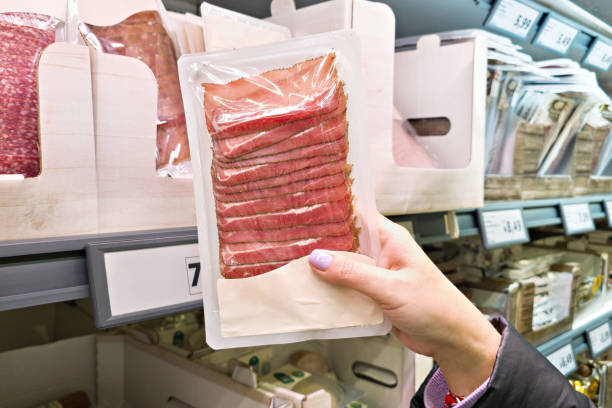
Modified Atmosphere Packaging (MAP)
MAP replaces the air in the packaging with a gas mixture, which typically reduces the oxygen content to extend the shelf life. This method helps preserve the freshness of fish and shellfish by inhibiting microbial growth.
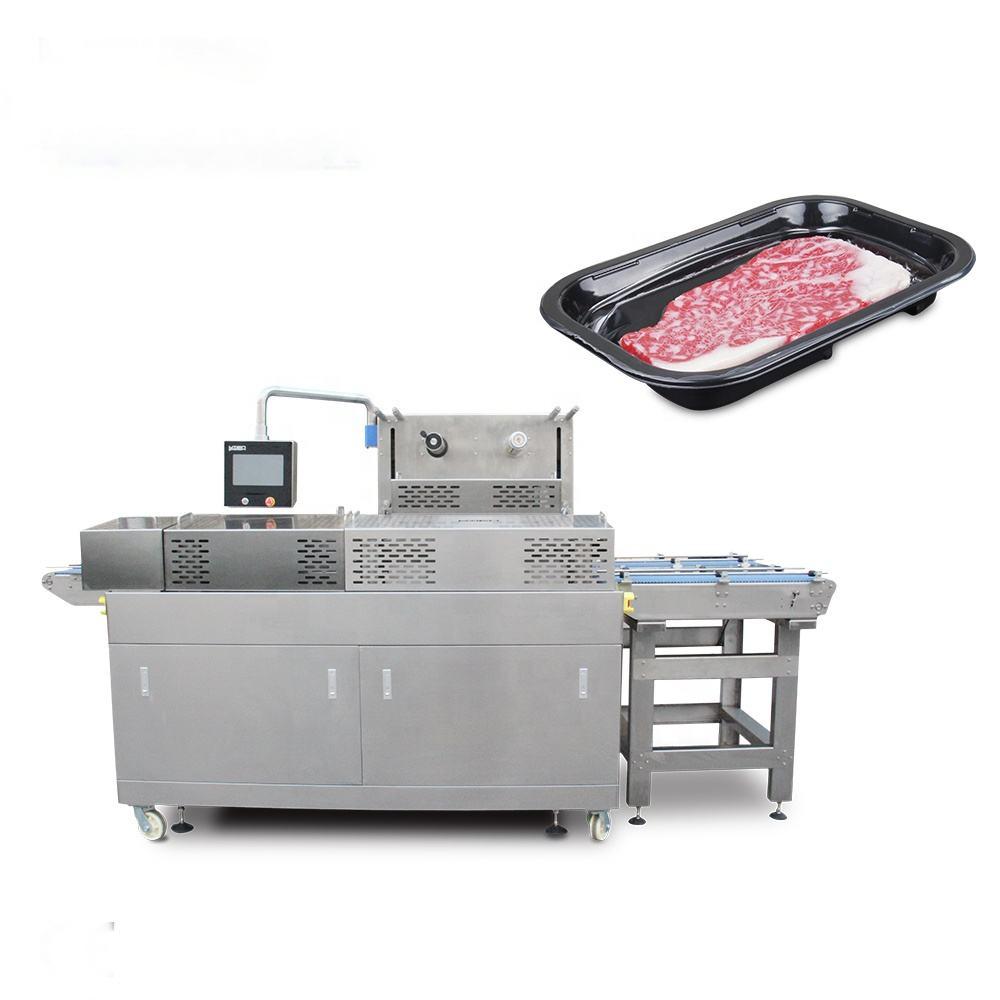
Tray Sealing
This technique seals fish products in trays with plastic wrap. Although it is not ideal for extending shelf life, it is suitable for frozen products or products with a long shelf life.
Active Packaging
This innovative approach uses materials that actively interact with the contents to improve shelf life. For example, oxygen scavengers can prevent rancidity in fatty fish, while moisture absorbers can extend the shelf life of fresh fish by reducing condensation.
Sustainable packaging options
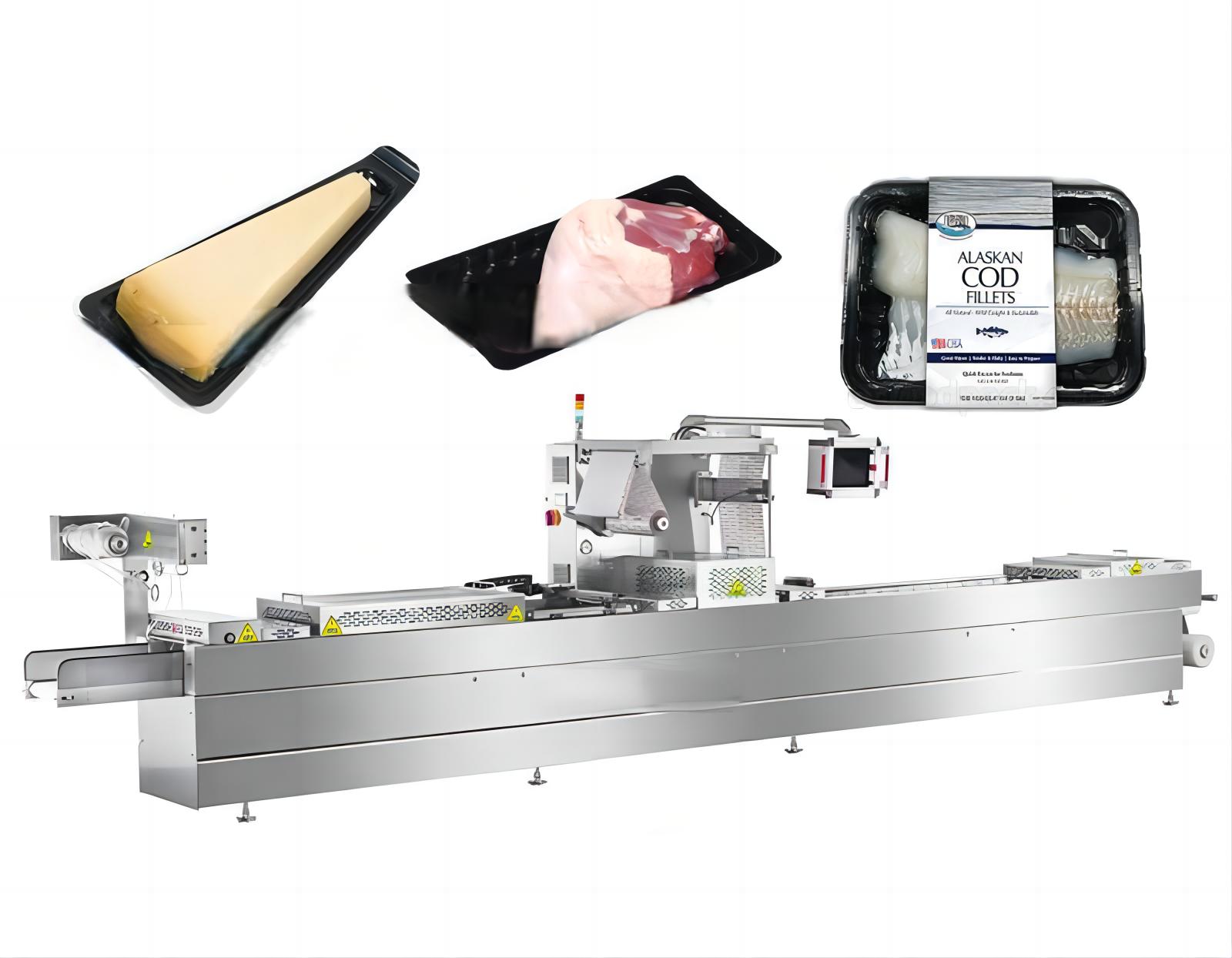
As consumers increasingly seek environmentally friendly solutions, many companies are exploring biodegradable or recyclable materials derived from fish waste or other renewable sources. These materials are designed to reduce the environmental impact of packaging while maintaining its functionality.
The Importance of Seafood Packaging
Effective packaging for fish and seafood serves several important functions:
- Quality Assurance:Proper packaging helps preserve the freshness and quality of fish and seafood by preventing spoilage caused by microbial growth and oxidation.
- Safety and CompliancePackaging must comply with the standards established by organizations such as the FDA to ensure that fish products are safe for consumption.
- Consumer ComplaintAttractive packaging can increase product visibility and brand awareness, thereby influencing consumers' purchasing decisions.
- Waste ReductionEfficient packaging designs can minimize the amount of waste generated during transport and storage, thereby contributing to the sector’s sustainability efforts.

Leading companies in seafood packaging
Several companies are known for their innovative approaches to packaging fish and seafood:
- ULMA Packaging: A leader in sustainable packaging solutions for the fishing industry, offering a range of machines and systems designed to improve product preservation and safety.
- Point Five Packaging: Specializes in advanced packaging solutions for fish and seafood that extend shelf life and preserve freshness through technologies such as VSP and MAP.
- Lintyco Group: A leading supplier of equipment and service solutions for packaging beverages, food, household, and personal care products in bags, cans, glass, and other materials.
- GEA Group: Offers comprehensive, customized processing and packaging solutions for seafood producers, with an emphasis on efficiency and sustainability throughout the supply chain.
Sustainability Trends
The push toward sustainability is changing the packaging landscape for fish and seafood. Consumers are increasingly opting for products packaged in recyclable materials or made from renewable raw materials. Companies are responding to this by developing innovative solutions, such as fiber-based materials and biopolymers derived from fish waste. These not only reduce the environmental impact but also align with consumers’ preferences for sustainability.

Frequently Asked Questions (FAQs) About Packaging Solutions for Seafood
1. What are the best materials for packaging fish and seafood?
Selecting the right material is essential for maintaining the quality and safety of seafood products. The most common packaging materials for seafood products are:
Vacuum-sealed plastic bags: Vacuum sealing removes air, reducing oxidation and bacterial growth, which helps keep seafood fresh longer. It’s ideal for fillets, shrimp, and other delicate products.
Modified Atmosphere Packaging (MAP):MAP replaces the air in the packaging with a protective gas mixture—usually nitrogen or carbon dioxide—that helps preserve color, texture, and flavor. This method is often used for shellfish, pre-cooked seafood, and smoked fish.
Foam Trays with Foil Wrapping:This solution is often used in retail and provides a clear view while protecting the product from moisture and contamination.
Recyclable or biodegradable materials: With sustainability in mind, eco-friendly packaging options are becoming increasingly popular among seafood brands. Biodegradable films and compostable containers offer a more environmentally friendly alternative to traditional plastic.
Choosing the right packaging material is crucial for preventing spoilage and maintaining the quality of your fish and seafood.
2. How does packaging affect the shelf life of seafood?
Proper packaging of fish and seafood can significantly extend the shelf life of fresh, frozen, and processed fish products. For example:
- Vacuum-packed seafood can last up to 5–7 days longer under refrigerated conditions compared to non-sealed products.
- Frozen Seafood When stored in vacuum-sealed pouches, it can retain its quality for up to 6–12 months.
- Modified Atmosphere Packaging (MAP) can extend the freshness of chilled seafood by a few days to a few weeks, depending on the product.
By using advanced packaging techniques, you can reduce waste, improve customer satisfaction, and increase your profitability.
3. How can I ensure that the packaging for my fish and seafood is both safe and appealing?
Packaging safety is non-negotiable in the seafood industry, and at the same time, visual appeal plays an important role in influencing consumer decisions. To ensure both, consider the following strategies:
- Tamper-proof seals: Secure seals and visible tamper-evident indicators assure customers of the product's integrity.
- Clear labeling: Highlight important information, such as origin, sustainability certifications (e.g., MSC-certified), and nutritional benefits.
- Attractive designs: Use bright colors, transparent windows, and eco-friendly branding to make your products stand out on the shelves.
By combining safety with strong visual appeal, your packaging will capture consumers' attention and inspire confidence.
4. What role does sustainable packaging play in the sale of fish and seafood?
Sustainability is having an increasing influence on consumer purchasing decisions. According to a recent survey by the International Food Information Council (IFIC), about 50% from consumers Consider sustainability when purchasing seafood. By adopting eco-friendly packaging, seafood brands can:
- Increase brand loyaltyConsumers are more likely to support brands that reflect their values.
- Compliance with Legal StandardsGovernments and retailers are placing greater emphasis on sustainability; in some countries, stricter packaging regulations are in effect.
- Reduce the environmental impactBy using recyclable or compostable materials, you help reduce ocean pollution and protect marine ecosystems.
Integrating sustainable packaging is a win-win situation for businesses and the environment.
Conclusion
Selecting appropriate packaging solutions for fish and seafood is crucial for maintaining product quality, ensuring safety, complying with regulatory requirements, and addressing environmental concerns. As technology advances, the industry continues to evolve toward more sustainable practices while simultaneously improving product preservation capabilities.
By investing in the best packaging solutions for fish and seafood, you can ensure that your products reach consumers in top condition while also meeting today’s standards for sustainability and convenience.







 Dutch
 English