With economic development and the improvement of living standards, the packaging of goods has become increasingly important, and filling machines have also advanced significantly. Filling machines are primarily a small category of packaging machinery. From the perspective of material packaging, they can be divided into liquid filling machines, paste filling machines, powder filling machines, and granule filling machines. Due to the unique characteristics of liquids (such as solubility, absorbency, and ease of production and transportation), the production of packaging machines for filling liquids accounts for a large proportion of the packaging machinery market.
Filling machines around the world are evolving toward high speed, versatility, and high precision. Currently, some filling production lines can be used for a variety of applications and in different environments, such as glass bottles and plastic containers (polyester bottles), carbonated and non-carbonated beverages, and hot and cold filling.
The filling speed of machines used to fill carbonated beverages currently reaches as high as 2,000 cans per minute. The filling valves on German H&K filling machines have as many as 165 heads, SEN machines have 144 heads, and Krones machines have 178 heads. The diameter of the filling machine is as much as 5 meters, and the filling accuracy is less than ±0.5 ml. Machines for filling non-carbonated beverages have 50–100 filling valves, a maximum filling speed of 1,500 cans per minute, and a filling line speed of 20–25 tpm, which is twice as fast. The machine can be used for hot-fill production of tea, coffee, soy milk, and fruit juices. Imported hot-filled beverages are not sterilized after sealing. Carbonated beverages have been produced for over 20 years. Carbonation at room temperature can reduce beverage costs and is environmentally friendly. The nitrogen filling system for non-carbonated beverages uses drip methods with liquid nitrogen or pressurized liquid nitrogen to introduce inert gas into aluminum cans or PET bottles. This allows two-piece aluminum cans and PET bottles to be used for non-carbonated beverages such as fruit juices, while protecting the contents and minimizing nutrient loss. Currently, PET bottles for tea are typically filled with hot water. To lower the filling temperature, improve the taste of tea, and ensure product hygiene and safety, PET resin molding has been developed using steam sterilization at 130 °C and special aseptic packaging machines. At the same time, aseptic packaging technology is being developed for two-piece thin-walled cans containing low-acid products, such as iced coffee, to enable aseptic packaging of thin-walled cans.
Selection of filling method and quantitative method
Filling Method
Due to differences in the physical and chemical properties of liquid materials, there are various filling requirements during the filling process. The following methods are commonly used to fill liquid materials from liquid storage systems into packaging containers.
(1) Filling under normal pressure
In normal-pressure filling, the liquid’s own weight is used directly to cause it to flow into the packaging container under atmospheric pressure. The normal-pressure filling process proceeds as follows:
1) Fluid inlet and outlet: Fluid enters the container, and at the same time, air is vented from the container.
2) Stop the liquid inflow: When the liquid in the container reaches the desired amount, the liquid inflow stops.
3) Draining residual liquid: Drain the residual liquid into the air line. This process is necessary for systems that vent air into the upper air chamber of the liquid storage tank. Filling under normal pressure is primarily used for filling low-viscosity, gas-free liquids.
(2) Isobaric filling
In isobaric filling, compressed air is introduced into the upper air chamber of the liquid storage tank to inflate the packaging container until the pressure is nearly equal. The filled liquid then flows into the container under its own weight.
The isobaric filling process proceeds as follows:
1) equal pressure
2) fluid inlet and gas return
3) Close the fluid inlet
4) Release the pressure.
Isobaric filling is suitable for filling carbonated beverages such as beer, soft drinks, etc., to minimize the loss of trapped gas.
(3) Filling the vacuum
Vacuum filling is the process of filling under conditions of atmospheric pressure. There are two basic methods: one is differential pressure vacuum, in which the liquid storage tank is maintained at normal pressure and only the interior of the packaging container is evacuated to create a specific degree of vacuum. The liquid flows into the packaging container due to the pressure difference between the two containers. The other is gravity vacuum filling, in which the liquid storage tank and the packaging container remain in a nearly equal vacuum state. The liquid flows into the container due to its own weight. Currently, differential pressure vacuum filling is widely used in China. It has a simple structure and reliable operation.
The vacuum-filling process proceeds as follows:
1) vacuum the bottle
2) fluid inlet and gas return
3) Close the fluid inlet
4) Return of residual liquid.
Vacuum filling is suitable for filling high-viscosity liquids and toxic liquids. This method not only increases the filling speed but also reduces contact and interaction between the liquid and the residual air in the package, which is beneficial for product preservation. It also limits the release of toxic gases and liquids, thereby improving working conditions. However, it is not suitable for filling alcoholic beverages that contain aromatic gases.
(4) Siphon fill
In siphon filling, the siphon principle is used to draw the liquid into the container through the siphon tube until the liquid levels in both are equal. Siphon filling is suitable for filling low-viscosity liquids without gas. The design is simple, but the filling rate is low.
(5) Pressure filling
Pressure filling involves the use of mechanical or gas-hydraulic devices to move the piston back and forth in order to draw the high-viscosity liquid from the liquid storage tank into the piston cylinder and then force it into the container to be filled. This method is sometimes also used for filling beverages such as soft drinks, which can be poured directly into the bottle using the beverage’s own air pressure. When selecting a filling method, in addition to the viscosity properties of the liquid itself, it is also necessary to carefully analyze the product’s process requirements and the structure and operation of the filling machines and equipment. At the same time, during the filling process, it is necessary to minimize contact between the liquid and air and to eliminate the influence of residual air in the bottle neck.
Quantitative Methods
Quantitative liquid measurement typically involves volumetric quantitative methods, which can be broadly classified into the following three types.
(1) Quantitative method for liquid level control The quantitative method for liquid level control is intended to achieve the target quantity by controlling the liquid level in the container being filled during the filling process.
(2) Quantitative beaker method. The quantitative beaker method involves first injecting the liquid into the quantitative beaker and then filling it. If liquid loss is not taken into account, the volume of liquid added must always be equal to the corresponding volume of the volumetric flask.
(3) Quantitative Pump Method The quantitative pump method is a quantitative method that uses mechanical pressure filling. The volume of material filled each time is proportional to the reciprocating stroke of the piston.
When comparing the three quantitative methods described above, it is not difficult to see that the second method is directly affected by the volumetric accuracy of the bottle and the tightness of the bottle cap. The quantitative accuracy is therefore moderate, but the design is simple, and the method is still in use. When selecting a quantitative method, the required accuracy of the product must be considered first and foremost. Quantitative accuracy is related to the product. The more expensive the product, the smaller the measurement error must be. In addition, the process characteristics of the liquid itself must also be taken into account when selecting a quantitative method.
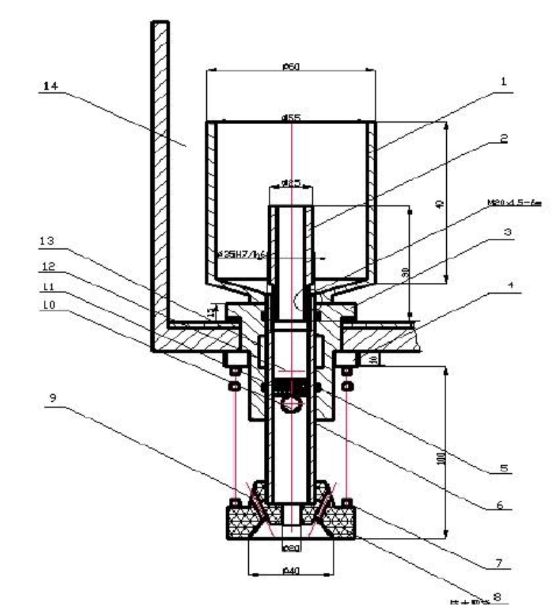
Custom Filling Machine
1. Determine the function and scope of application
Most early filling machines had a single function, which simplified their design and increased their effectiveness. By combining multiple machines and processes into a single packaging system, significant economic benefits can be achieved.
When determining the functions and scope of application of a filling machine, two factors must be taken into consideration:
(1) ReliabilityAs a general rule, as the number of functions increases, so does the number of steps in the filling operation, and the likelihood of malfunctions increases accordingly. Therefore, we can only consider combining the operations of a single-function filling system into a multifunctional filling machine when they are stable and reliable.
(2) AdaptabilityThe scope of application for each filling machine is limited. The more functions a machine has, the more complex its design. Multifunctional filling machines are therefore often designed as combined units, in which certain combined components can be flexibly added or adapted to meet the varying needs of users.
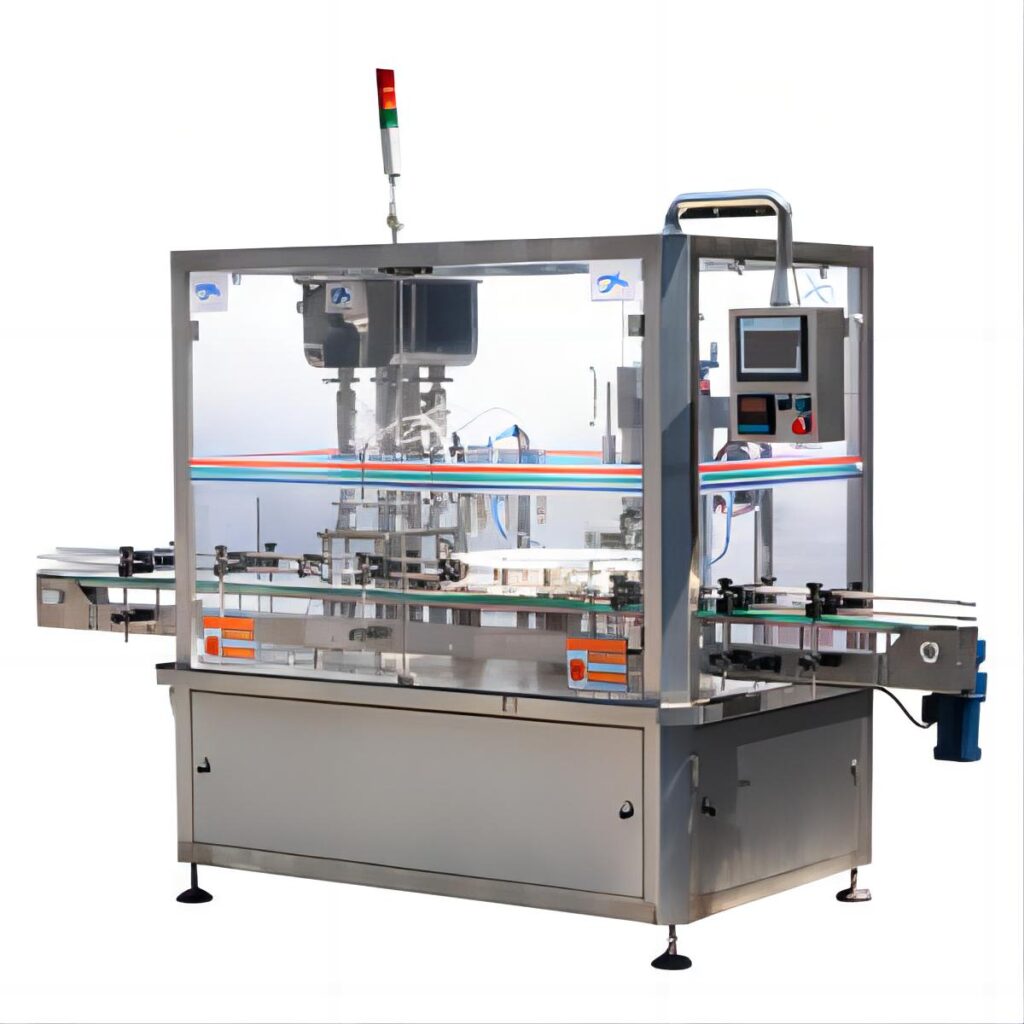
2. Process Analysis
Process analysis involves studying, analyzing, and determining the process methods for the designed packaging machines in order to complete the intended packaging process. Several aspects must be taken into consideration:
Packaging Method
(1) Prioritize ensuring filling quality. Regardless of the filling method used, filling quality must be guaranteed. (2) When multiple methods are available, choose the one that is easiest to implement.
Machine Type
(1) Select the machine type based on the number of filling actuators. (2) Select the machine type based on productivity.
Packaging procedures, packaging technology, and number of workstations
(1) Packaging procedures refer to the order in which packaging operations are completed. The packaging method often determines the packaging procedures.
(2) Packaging process route: includes the supply route for packaging materials and packaging items, as well as their transport route during the packaging process and the output line for the packaged products.
Motion Requirements and Mechanism SelectionAnalyze and determine the motion requirements for the actuator based on the given functions, application conditions and scope, and process methods. Then finalize the selection of the mechanism and integrate it.
3. General Classification
"Overall layout" refers to the reasonable configuration of the relative spatial positions of the relevant components of the filling machine.
(1) Arrangement of Actuators
(2) Classification of the transmission system
(3) Organization of working conditions
(4) Choice of support type
(5) Drawing of the overall layout
4. Define the key operating parameters
Key technical specifications of filling machines:
- Institutional Parameters
- Motion Parameters
- Power Parameters
- Process Parameters
5. Proposal
For example: Application: Packaging of low-viscosity, non-carbonated liquid beverages (such as mineral water, soft drinks, etc.).
Packaging specifications: Filling of mineral water/beverages.
Filling bottle specifications: filling volume 600 ml, diameter 60 mm. Packaging material: plastic bottle/glass bottle.
Filling capacity: >100,000 bottles/day. Filling time: <12 seconds/cycle.
Design requirements: simple structure, low cost, good operational stability, and easy to operate.
Main technical specifications of filling machinery: (1) Liquid viscosity is less than 1 Pa·s (2) Filling speed: 6 times per minute (3) Container size range: height 20 mm–200 mm, cross-sectional diameter <70 mm (4) System pressure: 0.5–3 MPa
You can tell us your requirements, and we'll provide you with the most suitable canning machine.Don't hesitate to contact customer service now.




 English
  Dutch
Dutch